Christian Fiction and Nonfiction Kindle Deals: Nine Finds From $0.50
| Shelf | Publishing Industry |
|---|---|
| Date in | |
| Readers | 884 |
Nine Christian fiction and nonfiction listings are priced from $0.50 to $3.99, with more Prime Day deals promised tomorrow.
Nine listings, with prices from $0.50
This Tuesday deal roundup gathers nine listings under the heading “Christian Fiction and Nonfiction Finds.” The displayed prices run from $0.50 to $3.99, giving readers a range of low-cost options to browse. The source doesn’t name the books or describe their contents, so the links and accompanying images are the only ways to identify each title and decide whether it suits your reading list. That gap limits what the roundup can tell you: a category label can point readers in a direction, but it can’t explain a book’s plot, approach, audience or format.
Three listings are marked below $1: two at $0.50 and one at $0.99. Four more are priced at $1.99, and the remaining two are listed at $2.99 and $3.99. These are the prices shown in the roundup; readers can check the retailer pages for the current listing details before choosing a book. The spread makes it easy to spot the lowest entry prices, but price alone says little about how well a title matches a reader’s interests or what kind of reading experience it offers.
For a reader who already knows what they want, this can still be a useful starting point. Someone browsing more broadly will have to do more work, since the roundup doesn’t distinguish novels from nonfiction or identify themes within either category. That’s a meaningful editorial limitation. A short description of each book would help readers compare the offers without opening every listing, and would make the category heading more useful.
Browse the listings
The first three entries are priced at $2.99, $1.99 and $3.99. Their linked product images are presented under the Christian fiction and nonfiction heading, but the source provides no titles, author names, publishers or descriptions. Readers interested in those categories will need to open each listing to see whether it’s fiction or nonfiction and what kind of subject or story it offers. Without that information, there’s no sound basis for comparing the books by subject, style or intended audience from the roundup alone.
That leaves the first group best understood as a set of links to inspect, rather than a curated selection with a clear editorial rationale. The prices are visible and the retailer pages are accessible, but readers have to supply the comparison themselves. If you're working through a reading list, or looking for a particular kind of Christian fiction or nonfiction, the title and description on each product page will matter more than its position in this group.
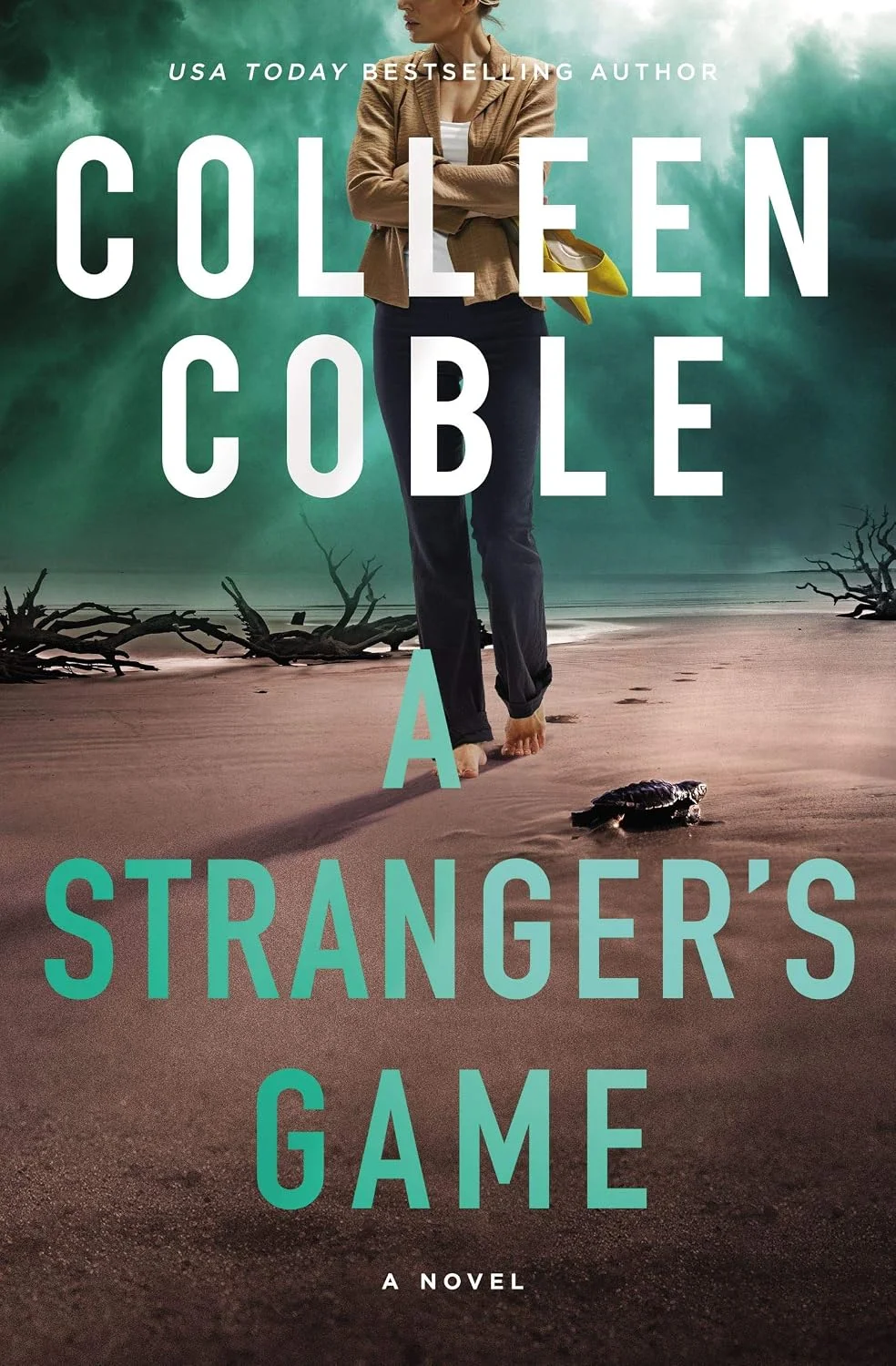
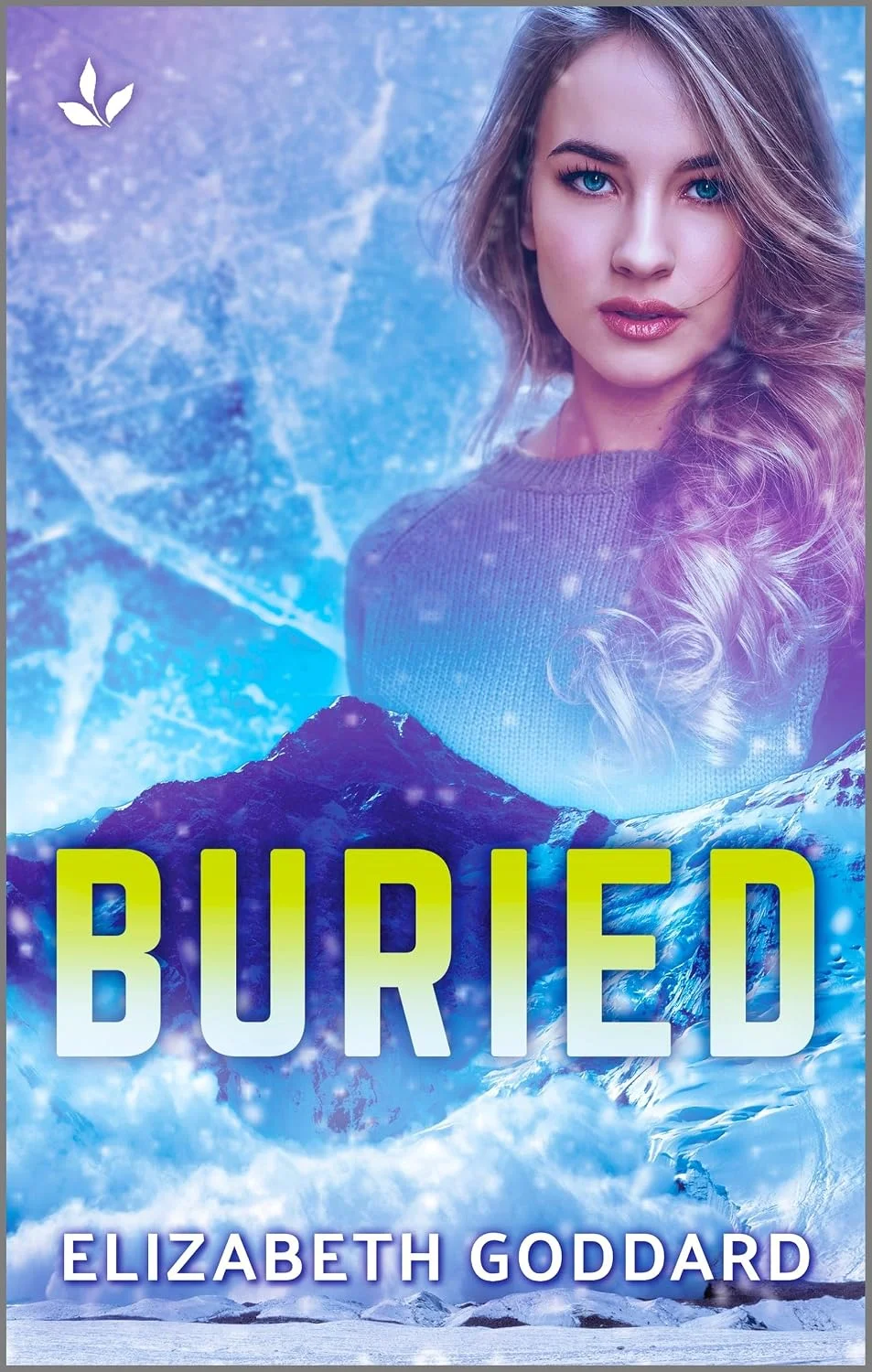

The next two entries are each listed at $0.50, the lowest prices in this group. A later listing is priced at $1.99. The source doesn’t identify whether any of these are novels, short works, study guides or other nonfiction, so the product pages are essential for comparing them. For readers who already have a particular author or topic in mind, checking the listing details first can help narrow the options. Here's the thing: a low displayed price is an invitation to look, not a substitute for knowing what you're buying.
The two lowest-priced entries may catch the eye, especially for readers willing to browse outside a specific shopping list. Still, the roundup gives no basis for judging their length, subject matter or relationship to the broader category. Retailer descriptions can fill in some of those details, although readers should check the format and current listing information there as well. (And this is the part most people overlook.) An appealing price only helps if the book itself is a good fit.
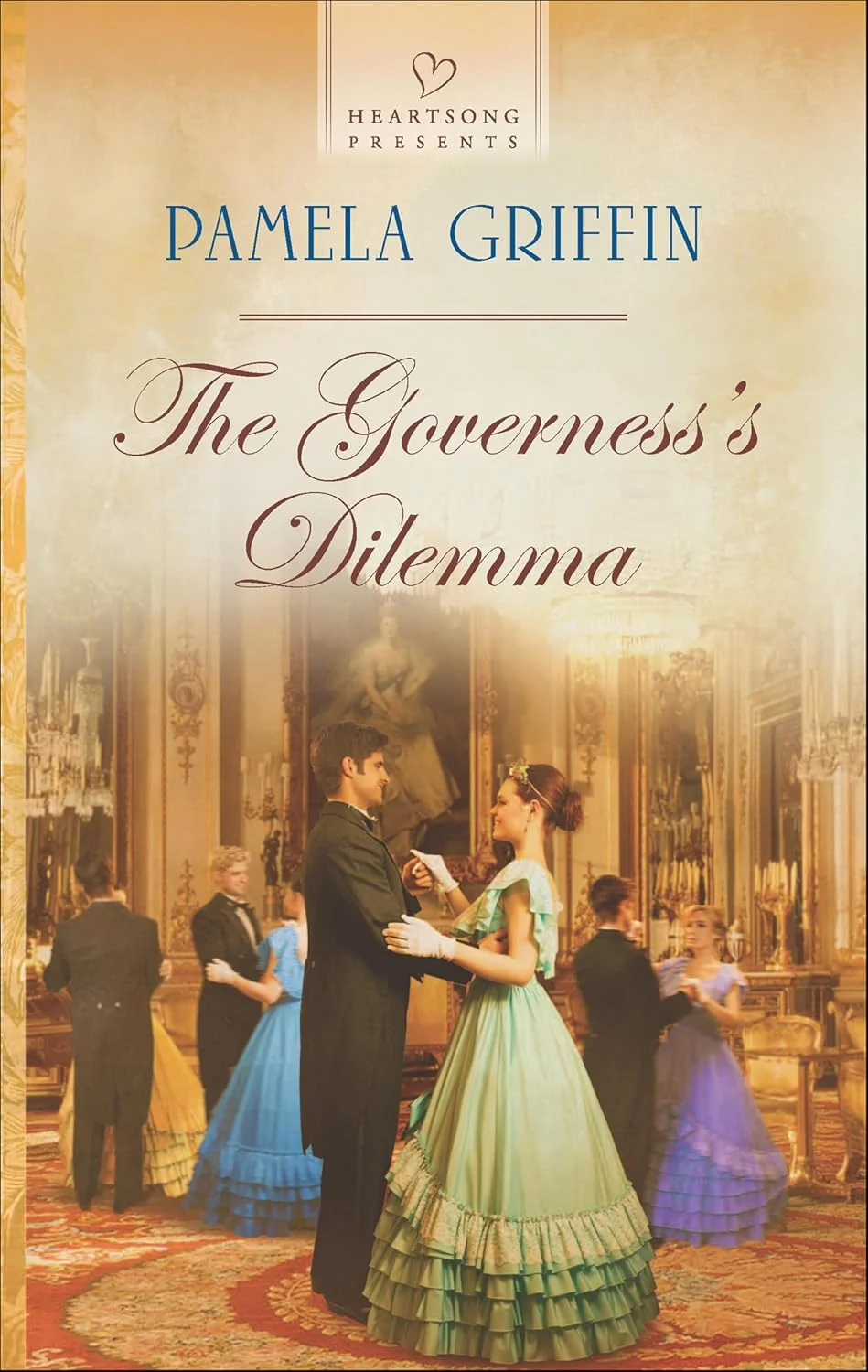

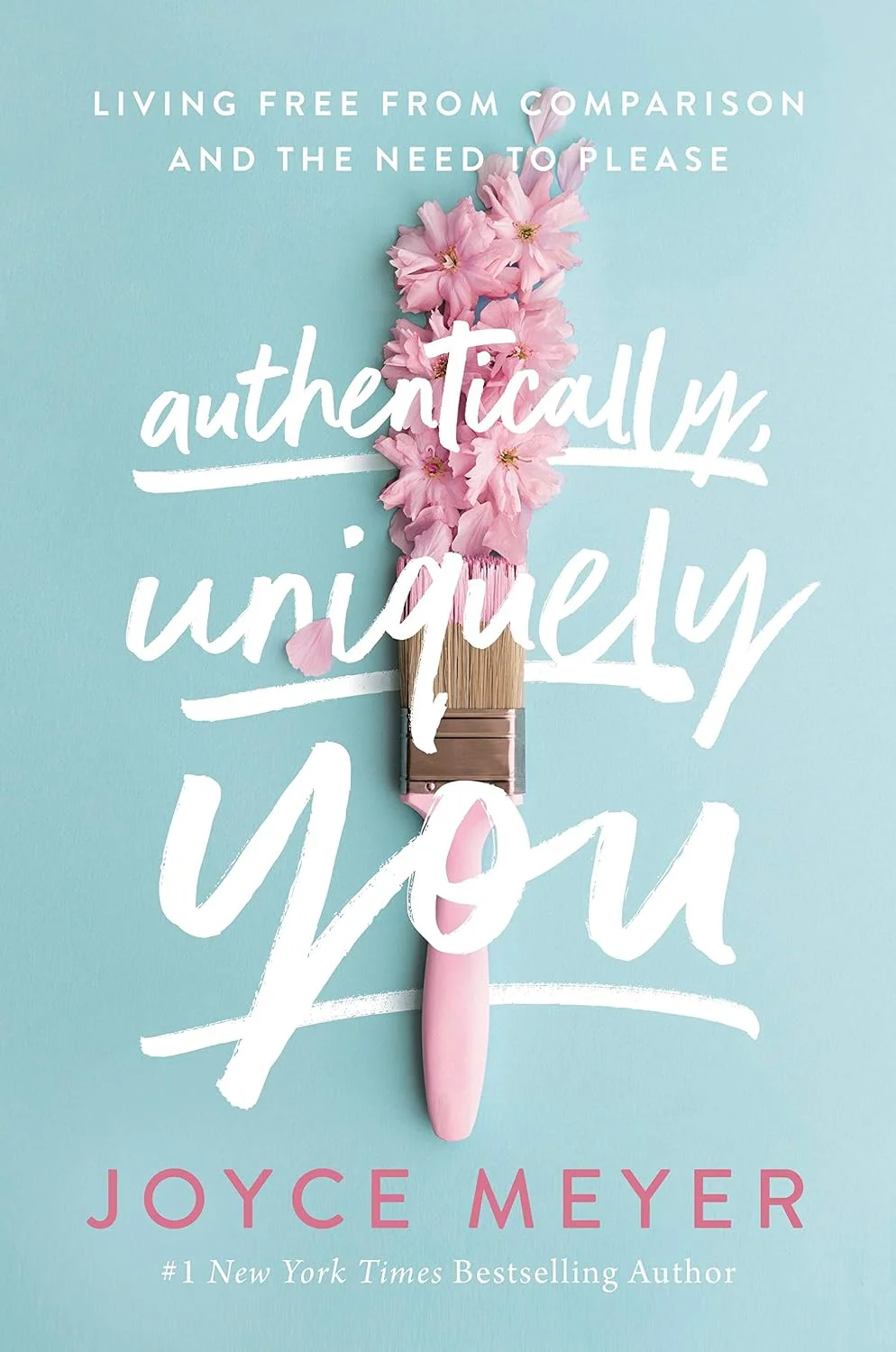
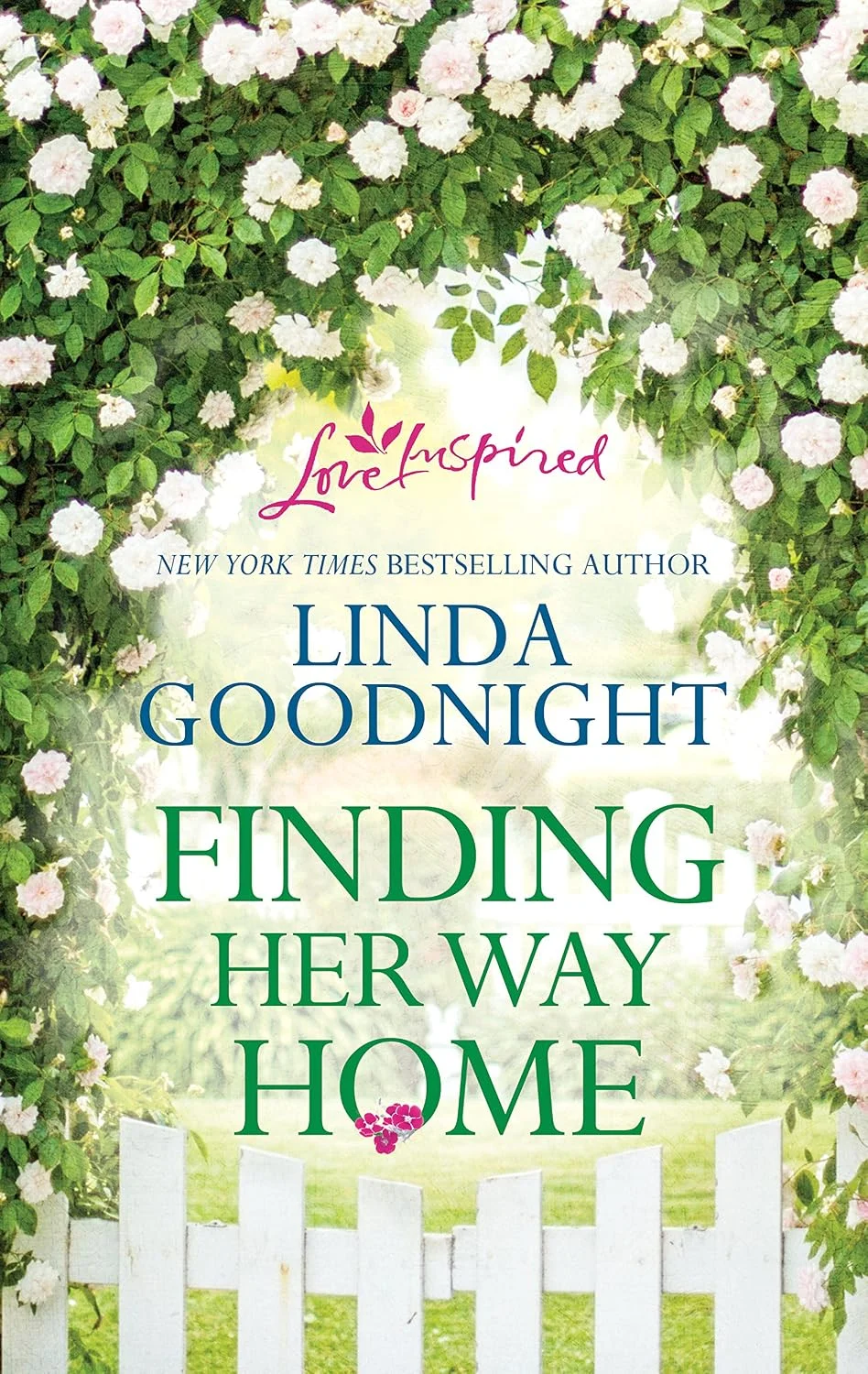
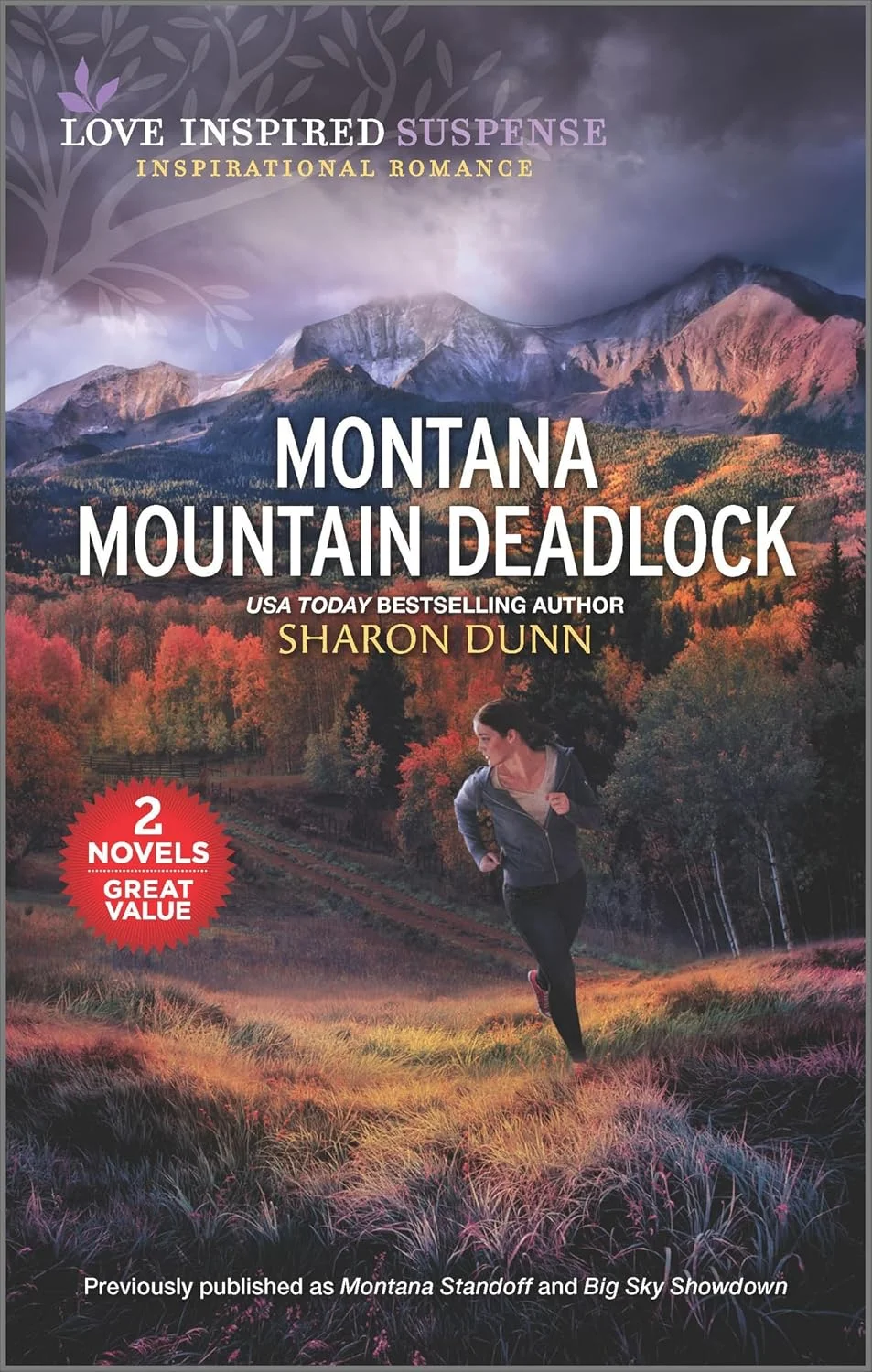
Three final entries bring the roundup to nine: one at $1.99, another at $0.99 and one at $2.99. Together, the prices suggest a set of inexpensive possibilities for readers exploring Christian fiction and nonfiction, though price alone can’t tell you whether a book is the right fit. The images and retailer pages may help supply the missing details, including title, author, format and subject. A reader who wants to compare these final listings with the earlier ones will need to gather that information from the product pages.
That said, the range does offer a simple way to prioritize a first look. Readers focused on the lowest price can start with the two fifty-cent listings; readers with a ceiling in mind can use the captions to narrow the rest. But that’s only a shopping shortcut, not a recommendation. The roundup doesn’t explain why these particular books were selected or what distinguishes them, so the decision ultimately rests on the details attached to each listing.

More deal coverage is planned
The roundup points readers to a separate page for Prime Day deals and says more deals are expected tomorrow. It also mentions three posts for the day, making this one part of a larger set of deal coverage. The source doesn’t identify the other posts or describe what they contain, but readers looking for additional offers can use the provided deal link and return for the next update. The reference signals that this list sits within a continuing stream of offers, though it doesn’t establish how often those offers change or how long any one price will last.
For this set of nine books, the clearest starting point is the price range: two listings at fifty cents, several at $1.99 and a top listed price of $3.99. The category label offers a broad direction, while the linked pages provide the information needed to make a considered choice. Check the listings for the book details and current prices, then follow tomorrow’s update for the next group of offers.
What the roundup can—and can’t—tell readers
This is more significant than it looks: deal posts shape what readers notice by deciding which titles receive a place in front of them, even when the available information is sparse. Here, the roundup is strongest as a price index and weakest as a guide to the books themselves. It identifies nine options and makes their listed prices easy to scan, but gives readers little help deciding which link deserves attention first.
For readers, the practical approach is straightforward: use the captions to shortlist by price, then check each product page for the title, author, format and description before deciding. The roundup can open a door. The choice still depends on details that aren’t included here, and prices shown in a deal post may need checking at the retailer. A useful list, with a clear limit.