Christian Fiction and Nonfiction Finds: Nine Amazon Deals for September 30
| Shelf | Book Reviews |
|---|---|
| Date in | |
| Readers | 375 |
Tattie’s September 30 roundup lists nine Christian fiction and nonfiction finds, priced from $0.99 to $3.99, with links beneath each image.

Tattie’s September 30 roundup collects nine Christian fiction and nonfiction listings, priced from $0.99 to $3.99. For Kindle readers browsing offers, the appeal is straightforward: a short list, visible prices, and direct Amazon links. The post doesn’t identify the books by title or describe their contents, though, so it works as a starting point for browsing rather than as a set of recommendations readers can assess on the page.

That distinction matters. A deal roundup can save time by gathering links in one place, but without titles, authors, or summaries, readers can’t tell whether any selection fits their interests before clicking through. If you're looking for a specific subject, series, or kind of reading experience, the post leaves that search to you.
Nine listings, three price points
The prices are easy to scan: two items are listed at $0.99, six at $1.99, and one at $3.99. Most of the collection sits at the same price, with two lower-cost options and a single higher-priced listing. The figures are those shown in the post; readers should check the linked pages for current prices and other details.
The roundup labels its selection “Christian Fiction and Nonfiction Finds,” but doesn’t say which category applies to each item. It provides no book titles, author names, descriptions, publication information, or edition details. That makes the price breakdown useful for comparing costs, but not for judging the books themselves: a reader can’t tell from the post whether a listing is a novel, devotional work, or another form of nonfiction.
Here’s the thing: a price-led list suits readers who like to browse, but offers little help to book-club members or anyone searching for a particular topic. The images and Amazon links are the route to more information. Tattie notes that text links appear beneath the images, and the entries below retain that arrangement.
The September 30 selection
The first three listings are priced at $1.99, $1.99, and $0.99. The post gives each an image and an Amazon link, but no description to explain what kind of reader might prefer one over another. The prices provide a quick first pass; the linked pages will have to supply the context for a considered choice.
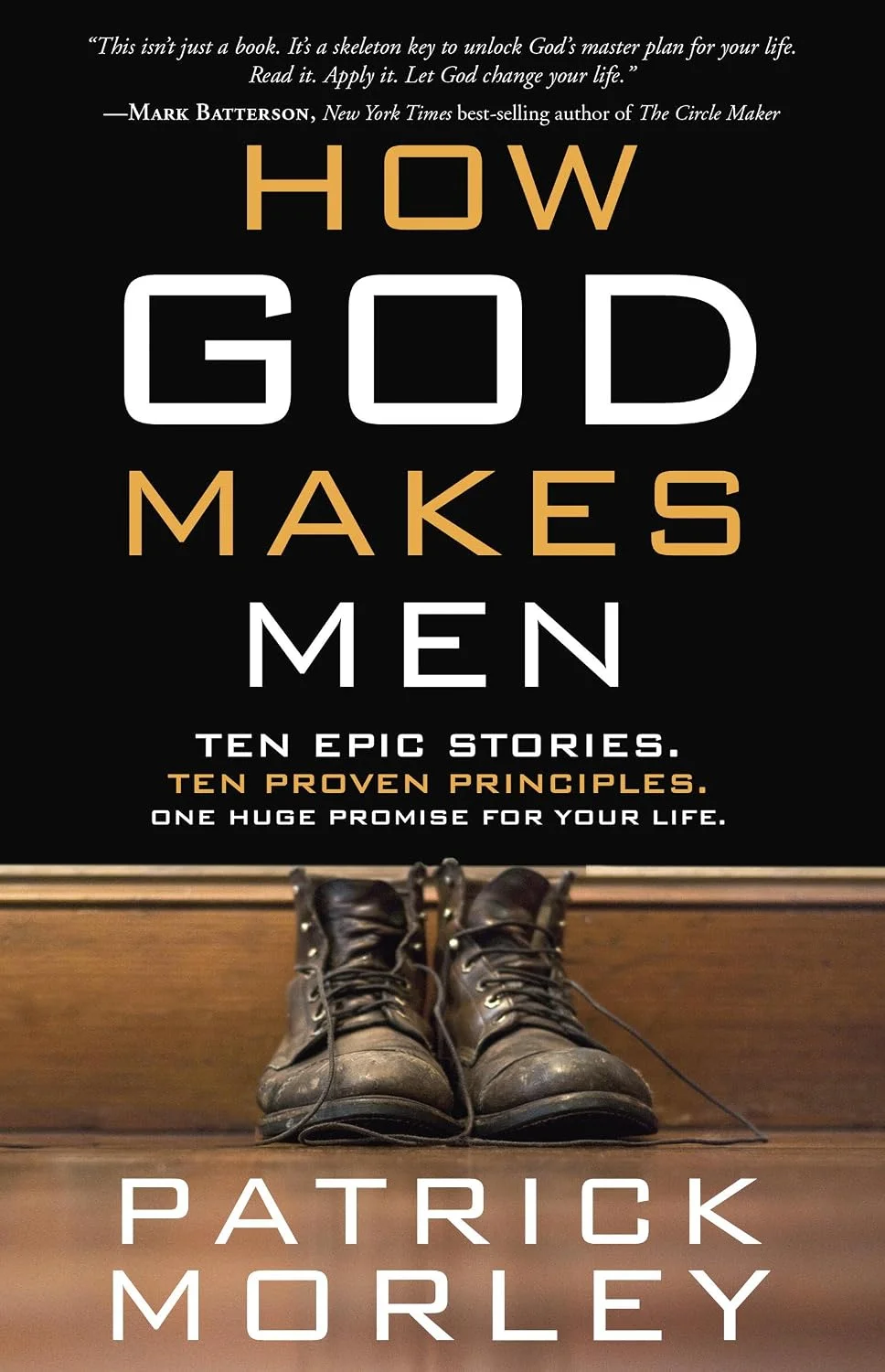
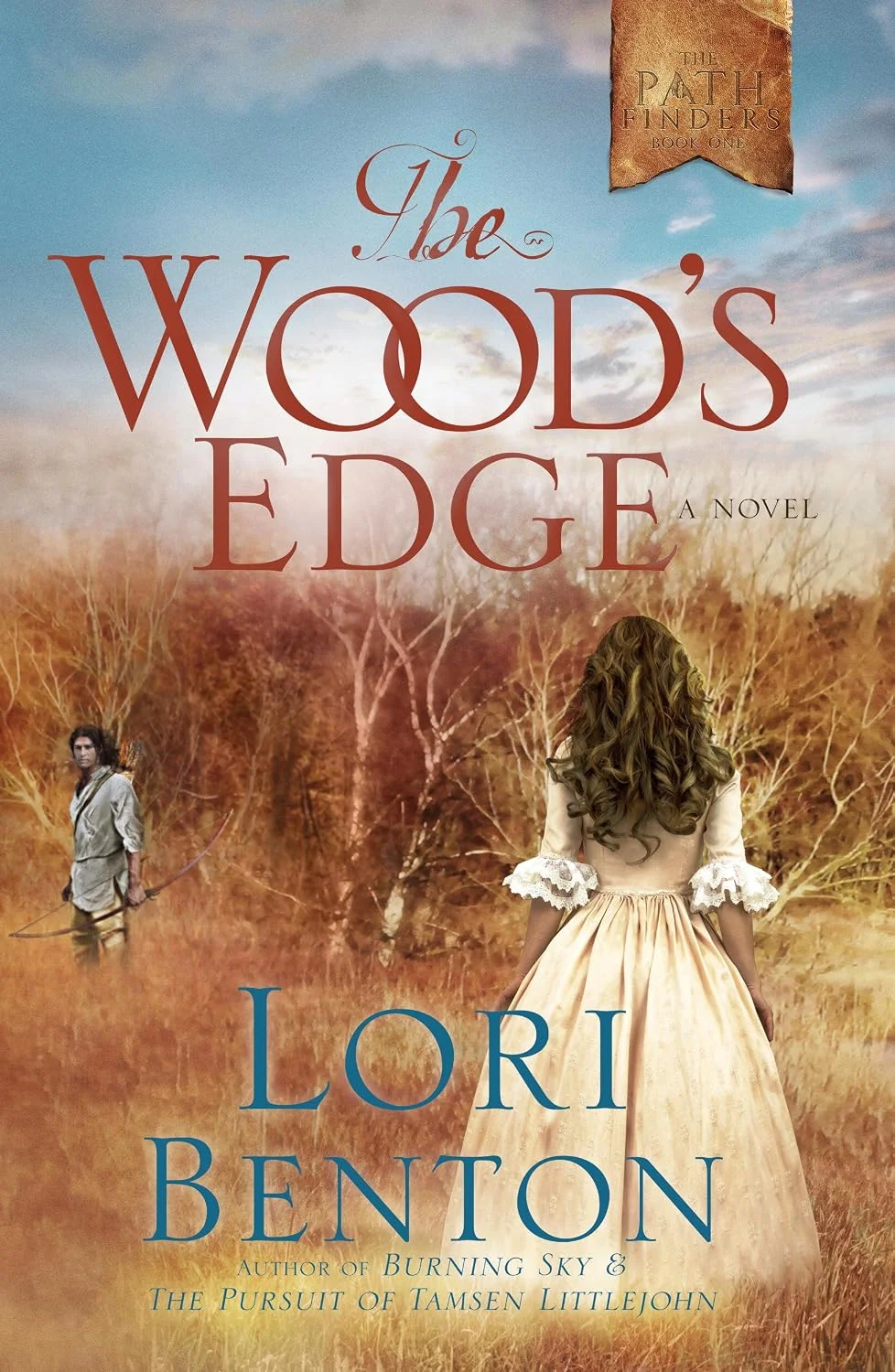
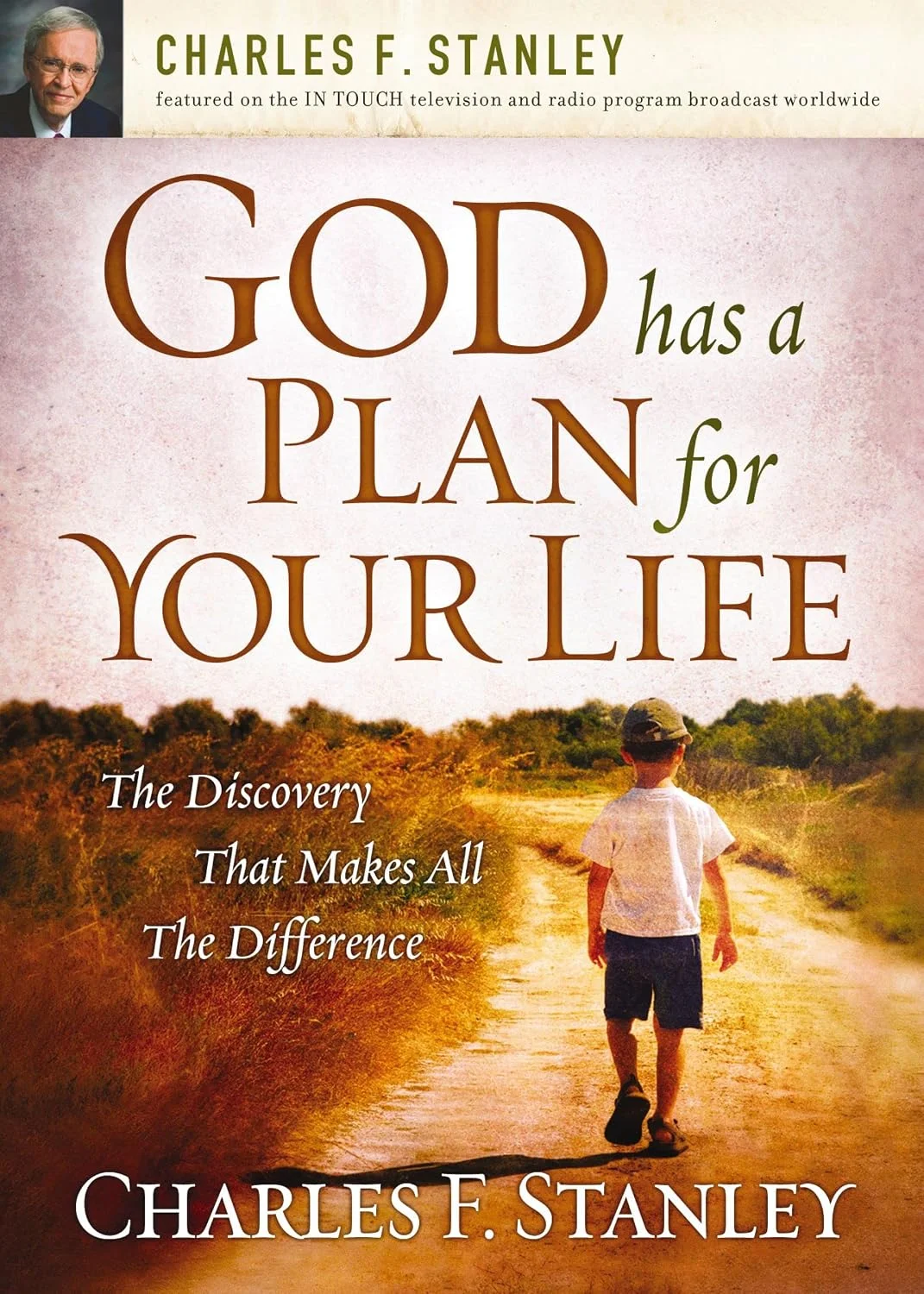
The next two entries are both listed at $1.99. Without summaries, their appeal depends on what readers find on the linked pages, including genre, subject, and any series information. Anyone comparing them will need to open both listings and judge whether the descriptions match their interests.
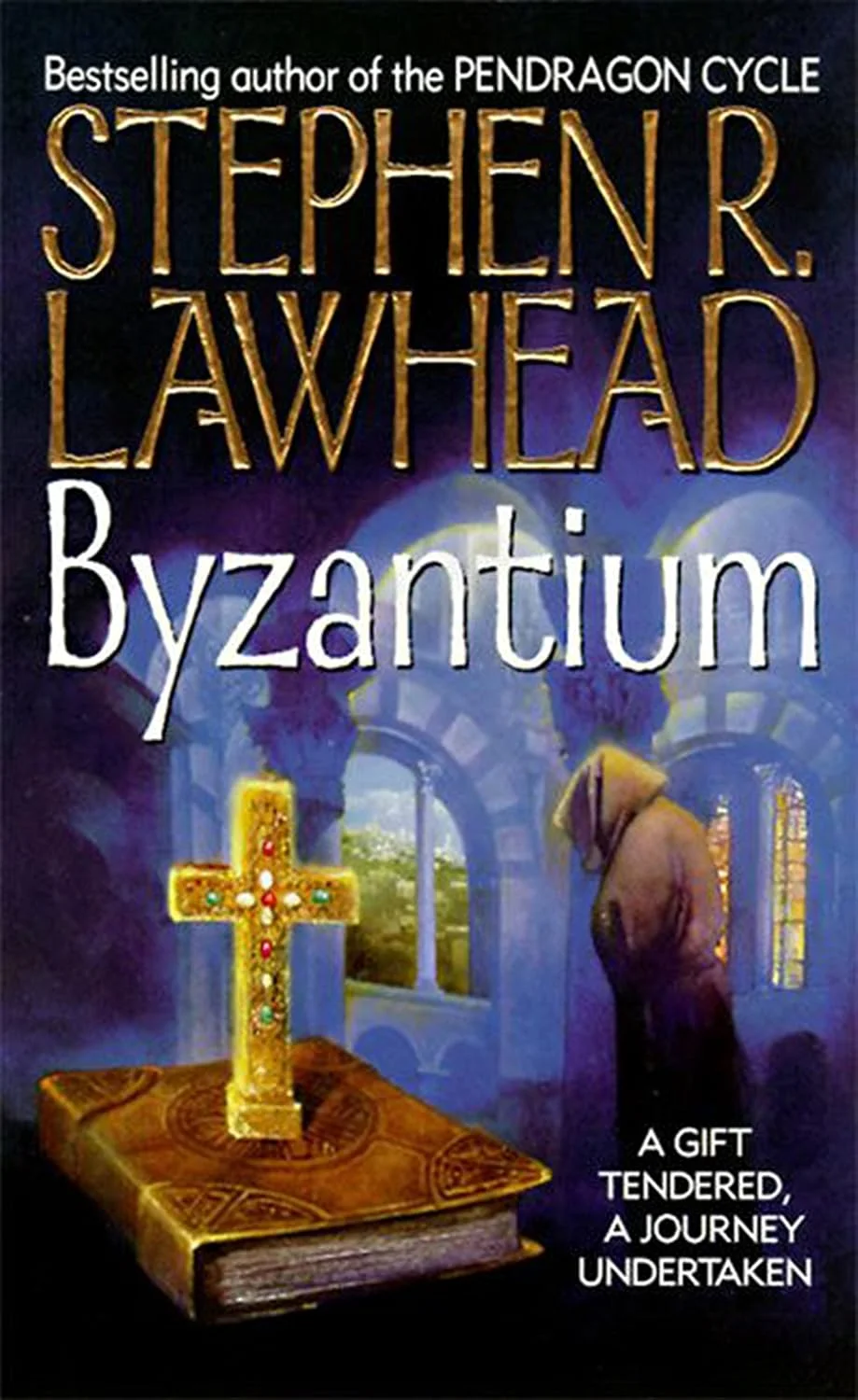
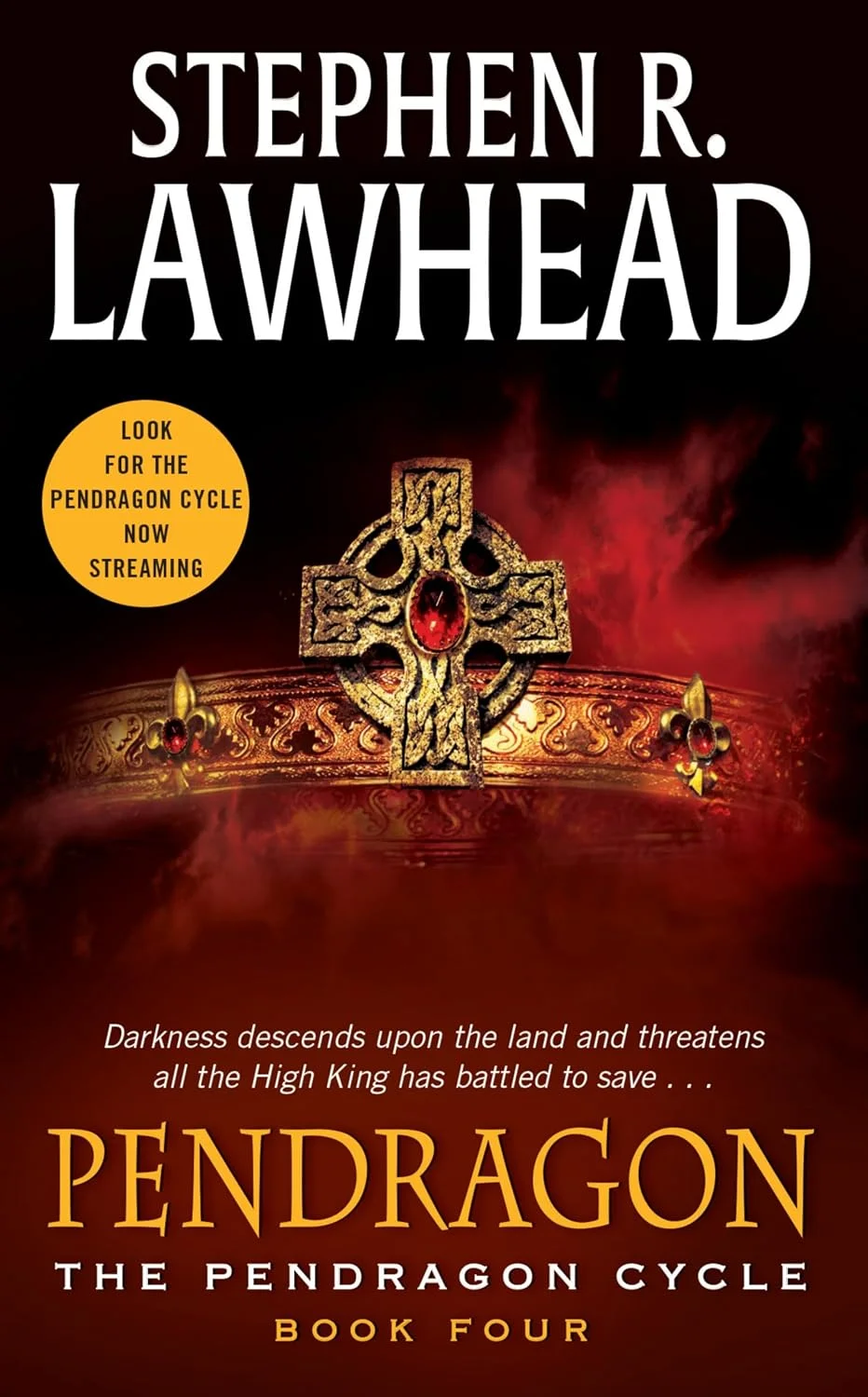
Three more books follow at $1.99 apiece, extending the roundup’s largest price group. That consistency makes the list simple to scan, yet the shared price doesn’t explain what distinguishes one selection from another. There are no subgenres, themes, series notes, or descriptions of intended audiences in the post. The information gap is practical: readers can compare the cost here, but must look elsewhere to compare the books.
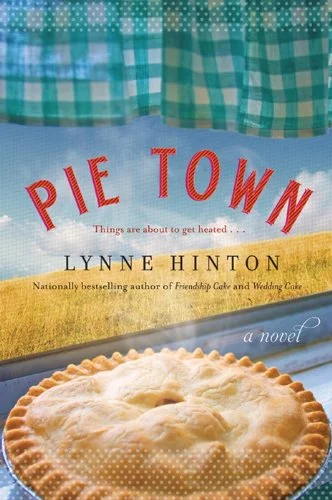
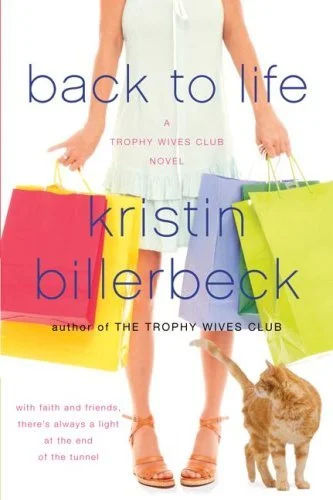

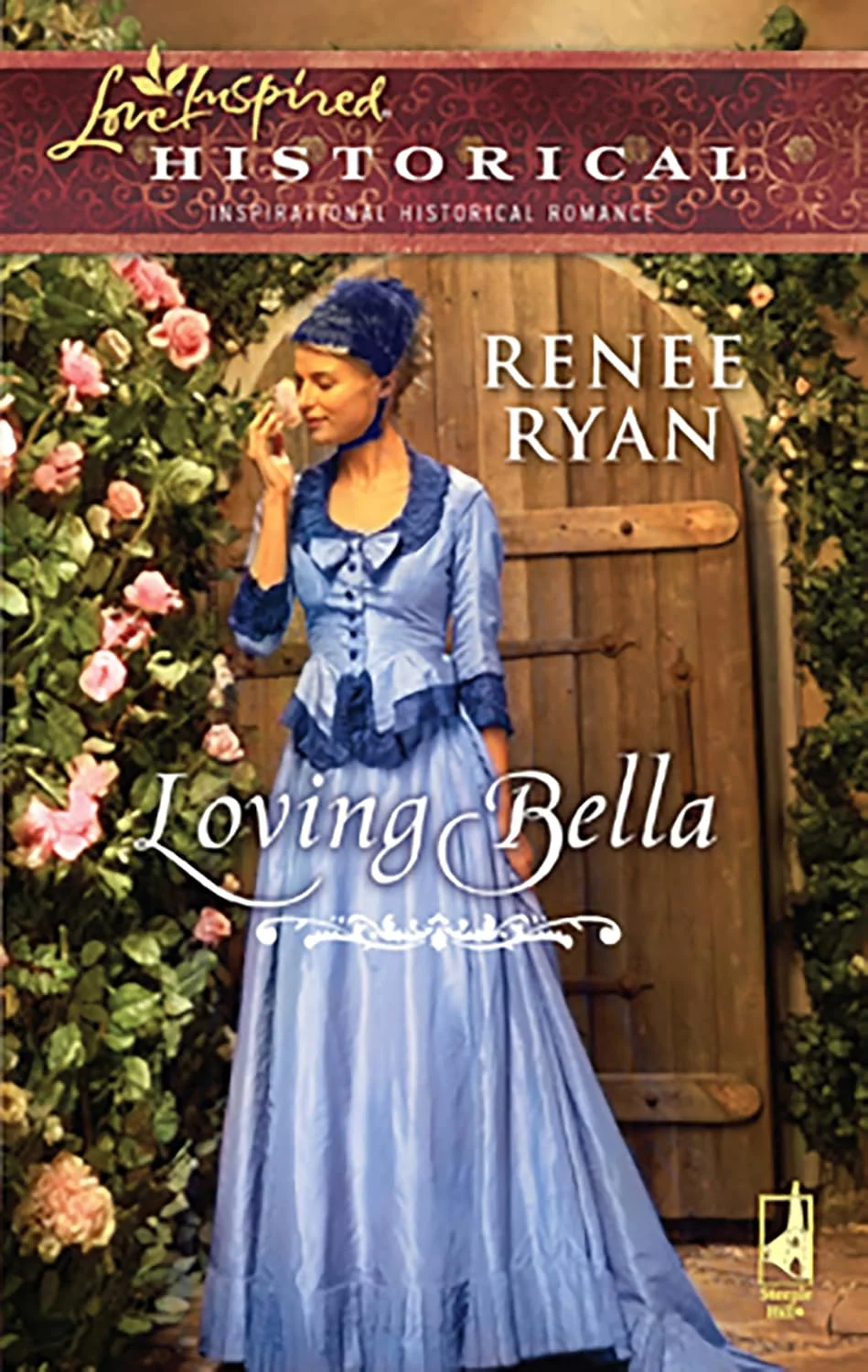
The final selection is the roundup’s highest-priced item, at $3.99. As with the others, the post supplies an image and a direct link rather than a description, so the price is the only detail available for comparison here. That doesn’t tell readers whether the book offers a different format or simply sits at a higher listed price; the post doesn’t provide enough information to say. The linked page is needed to assess the book itself.
About the curator
Tattie Maggard is identified in the post as an author of Christian fiction novels, novellas, and short stories. She also runs ChristianBookFinds.com, a deals-focused blog for Christian Kindle books. That background connects the roundup to an ongoing interest in finding books in this category, but the post doesn’t explain how these nine listings were selected or offer personal notes about them.
For a reader, that leaves the curator’s role clear but limited on the page: she has gathered the offers, while the roundup doesn’t show the reasoning behind the selection. A brief note about themes or intended audiences could help readers decide where to click first. Without it, the links carry most of the work.
What readers can take from the list
The useful takeaway is a compact set of nine links with prices attached. This is more significant than it looks for readers who already enjoy browsing Kindle offers: a single page makes it easy to scan the listed costs and open the selections that catch their eye. For readers seeking a guided pick, the list is thin. Price alone can’t establish fit, quality, or relevance, and the article doesn’t claim to do so.
(And this is the part most people overlook.) A roundup’s usefulness depends not only on which books it gathers, but also on how much work it leaves readers to do. Here, the links make discovery possible, while the absence of titles and descriptions keeps discovery broad and unguided. A starting point, then.
Readers happy to browse can begin with either of the two $0.99 listings, then check the $1.99 group and the $3.99 item if their descriptions appeal. That said, the listed prices should be treated as a snapshot from the post, not a guarantee of what a linked page will show later. For future roundups, adding titles, authors, and a short description for each book would make the selection easier to compare and more useful to readers deciding where to spend their time.