12 November 2026 Books to Read: New Fiction, Poetry and Memoir
| Shelf | Book Reviews |
|---|---|
| Date in | |
| Readers | 726 |
From Gabriel Bump’s Buffalo novel to poetry on work and aspiration, these 12 November books span fiction, memoir and more.

November’s new books move between intimate lives and larger questions: how people make a home, what work demands, and how memory shapes the stories we tell. The month’s list spans fiction, poetry, memoir and a newly translated classic, with settings that range from 1980s Ireland to pandemic-era Eastern Europe. Here are 12 titles for readers looking to follow a fresh line of thought or find their next book-club pick.

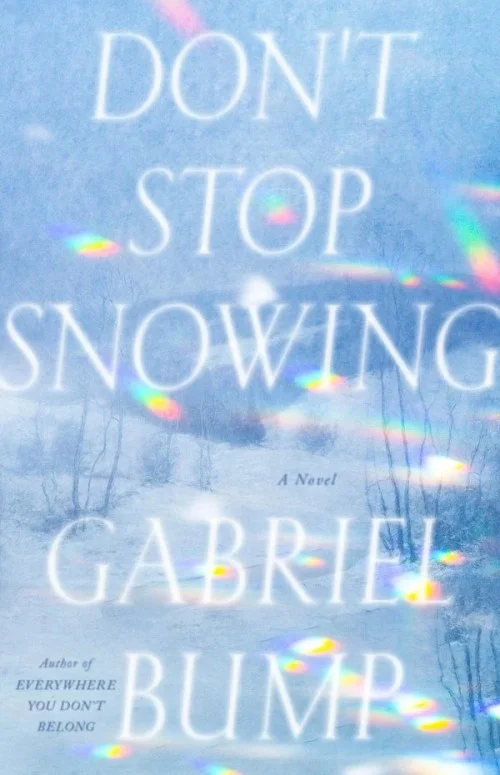
Don’t Stop Snowing
By Gabriel Bump
Algonquin Books
Gabriel Bump’s new novel follows a young man who moves to Buffalo hoping to build a happier life. The change of place doesn’t make healing simple: he and the people around him are each carrying their own difficulties. The reviewer, a longtime fan of Bump’s debut, Everywhere You Don’t Belong, calls this his best novel yet. They praise its wry tenderness and its portrayal of love as fragile and fractured, in a world that feels strange while remaining recognizably human. For readers who like character-driven fiction that lets humor and hardship occupy the same space, this looks like a rewarding return from an author the reviewer sees reaching a new height.
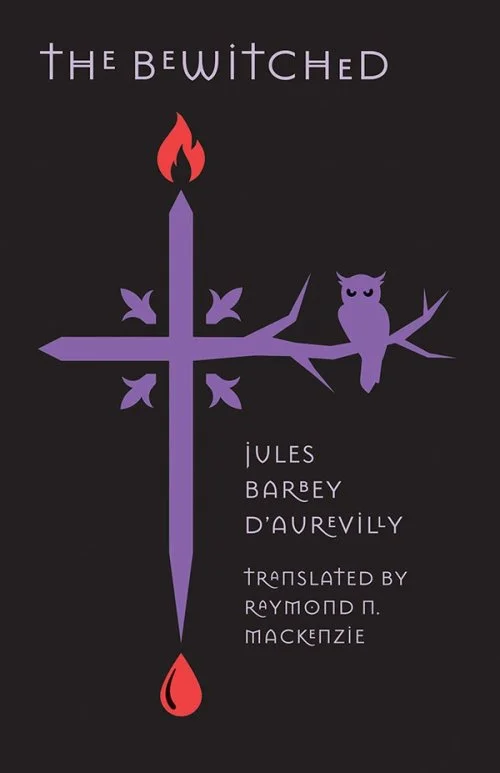
The Bewitched
By Jules Barbey d’Aurevilly
Translated by Raymond N MacKenzie
University of Minnesota Press
Raymond N MacKenzie’s new translation brings Jules Barbey d’Aurevilly’s seminal novel back to readers. At its center is a young married woman who becomes infatuated with an enigmatic, disfigured priest. The source describes the book as a sharp examination of postrevolutionary France, obsession and passion—subjects that still give the novel its charge. Its return in translation offers a chance to encounter a major work whose questions reach beyond its historical setting.
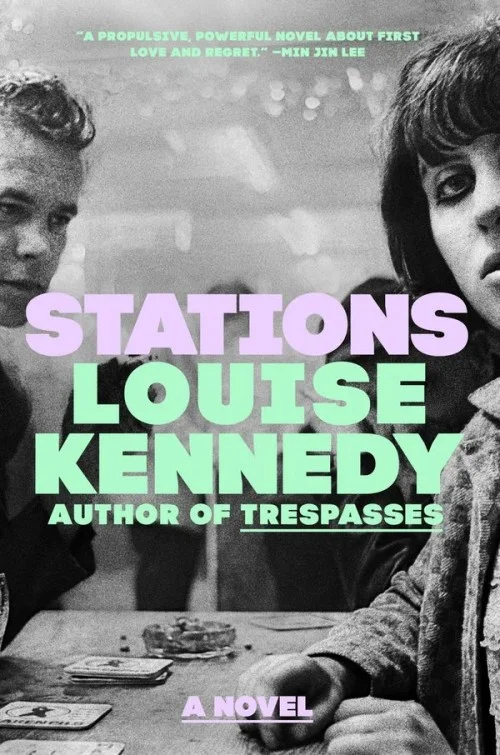
Stations
By Louise Kennedy
Riverhead Books
Set in 1980s Ireland, Stations traces the bond between Róisín and Red, two teenagers who find a rare understanding in one another. Unsettling news about her family leads Róisín to move in with Red, and the pair’s lives begin to diverge. Louise Kennedy’s novel follows youth through the complications of attachment and unreturned love; the reviewer describes it as compassionate and hopeful. Readers drawn to stories of formative friendships and the paths that open after a sudden change may find a lot to stay with here.
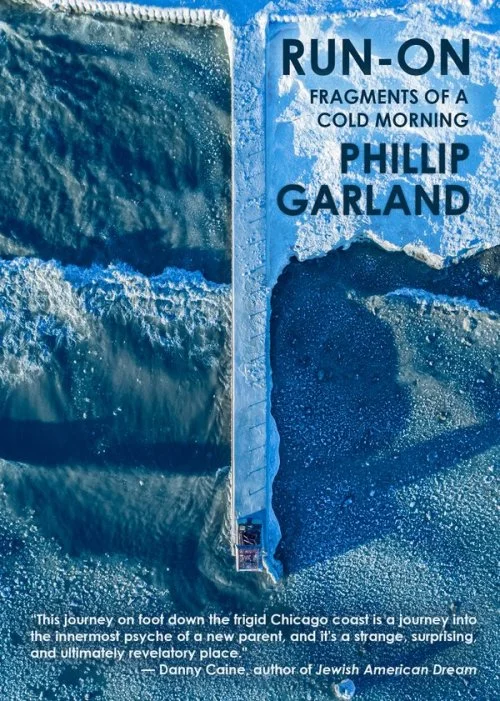
Run-On: Fragments on a Cold Morning
By Phillip Garland
Tortoise Books
Phillip Garland’s novel unfolds across one night and morning in the life of a young father. Its stream-of-consciousness selections place the reader inside his exhaustion, anxieties and care for the family he now nurtures. Disorientation is part of the book’s texture, opening onto a nearly surreal meditation on family, aging and love. The reviewer calls it a masterwork and singles out its ability to capture the rawness of quiet moments. This may suit readers who welcome experimental form when it brings them close to a character’s private thoughts.
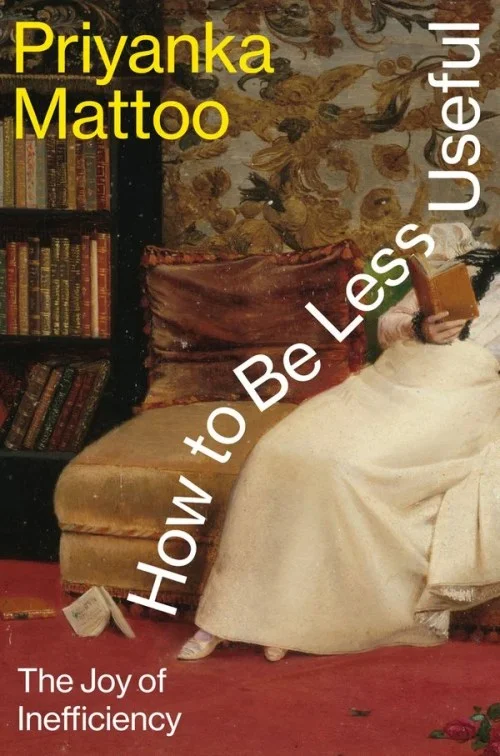
How to Be Less Useful: The Joy of Inefficiency
By Priyanka Mattoo
Knopf
Priyanka Mattoo makes a case for pleasures that have no practical payoff. Her book pushes back against the pressure to keep busy and optimize every hour, turning instead toward moments spent free of schedules and responsibilities, in one’s own company or with people one loves. The reviewer sees it as an invitation to reconsider why time can seem to pass so quickly. Readers who feel caught in a cycle of activity may welcome Mattoo’s attention to the value of doing less.
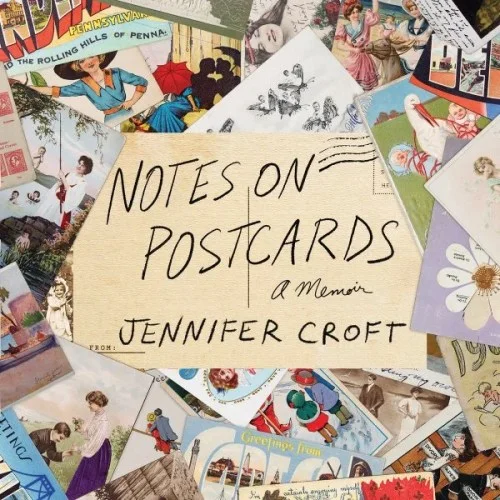
Notes on Postcards
By Jennifer Croft
Catapult
International Book Prize-winning translator Jennifer Croft turns a lifelong collection of postcards into a poetic account of memory and wanderlust. The small messages become a way to trace her life, while the objects themselves suggest how the fragments we keep can reveal our desires. The reviewer praises the book’s whimsy and wit. Its compact form and focus on personal keepsakes may appeal to readers who enjoy memoir that finds a life story in ordinary objects.
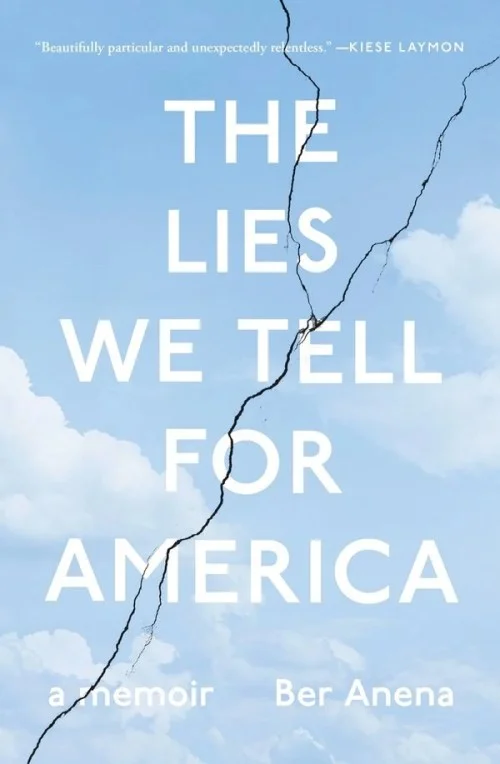
The Lies We Tell for America
By Ber Anena
Flatiron Books
In 2019, Ugandan writer Ber Anena learns she has been accepted into Columbia University’s MFA in Writing, then discovers tuition and fees will cost approximately $150K. As she searches for funding and eventually moves to the United States, she begins to question the story of the American Dream she had believed. Anena’s book joins personal memoir with a broader reconsideration of the immigrant narrative. Its account follows the distance between an ideal and the lived choices required to pursue it.
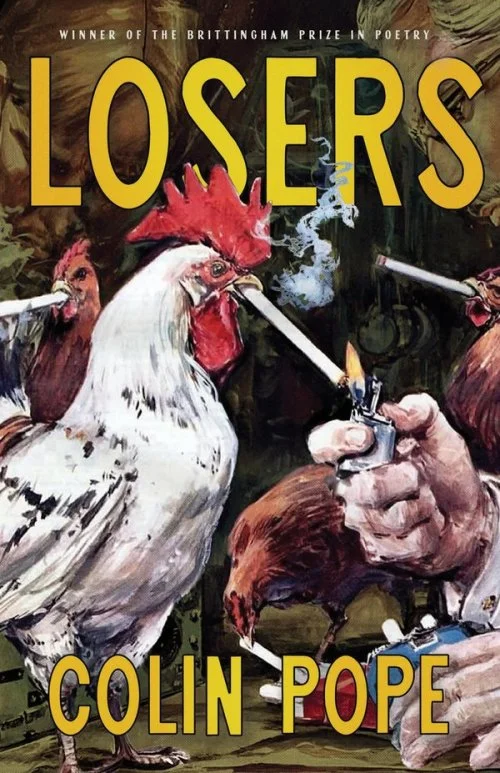
Losers
By Colin Pope
University of Wisconsin Press
Class runs through Colin Pope’s poetry collection, whose characters include dishwashers, delivery workers and paper boys. Their circumstances build a portrait of postindustrial, rural America, rendered with compassion and dignity. The reviewer values the poems’ attention to class and working people, and welcomes the collection’s November arrival. Readers seeking poetry grounded in labor and the pressures of everyday life will find those concerns at the heart of Losers.
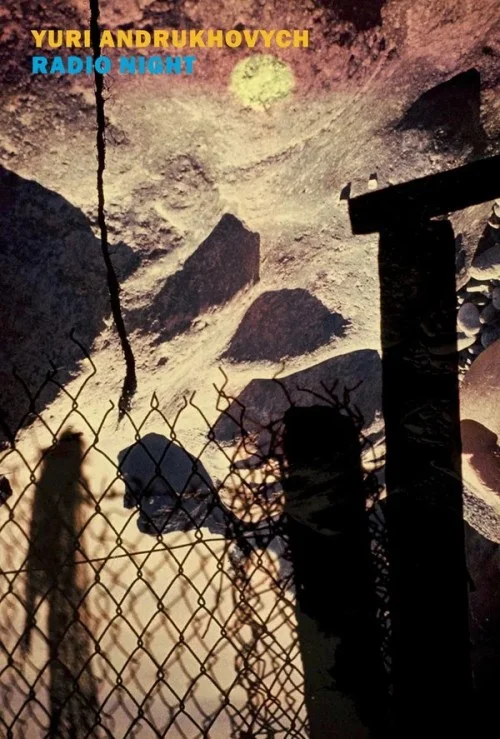
Radio Night
By Yuri Andrukhovych
Translated by Mark Andryczyk
New York Review Books
Yuri Andrukhovych’s strange, music-filled novel follows a musician in pandemic-era Eastern Europe who must flee an oppressive regime and a mob after becoming implicated in the dictator’s death. The book combines dark comedy and crime fiction with radio DJ monologues and playlists, giving its story a distinctive broadcast rhythm. The reviewer calls it an action-packed thriller and points to its urgency as an example of Ukrainian literature. The mix of sound, flight and fiction should draw readers who like their novels to take formal risks.
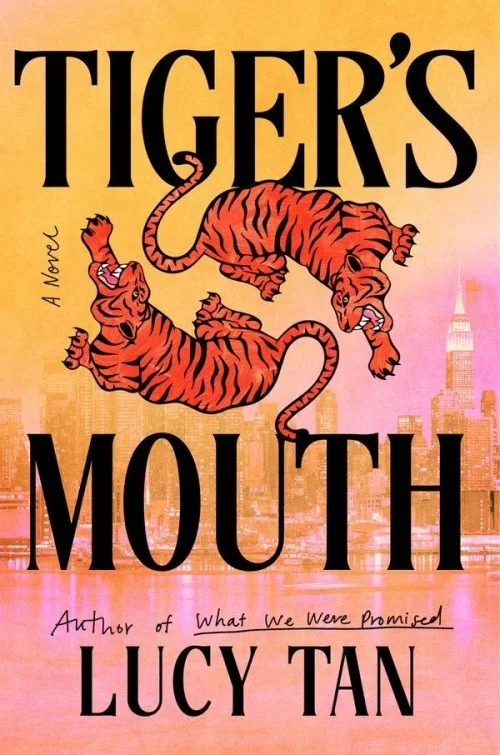
Tiger’s Mouth
By Lucy Tan
Ballantine Books
Jack Chen’s new job puts him alongside Jack Owens, the depressed son of the company’s billionaire founder. An immediate connection grows more complicated as their upbringings and ambitions press on the relationship. Lucy Tan builds a story about privilege and self-determination through carefully drawn characters. The reviewer recommends taking time with that characterization even as the book turns pages. It looks well suited to readers who like propulsive fiction with room for its characters’ differences to matter.
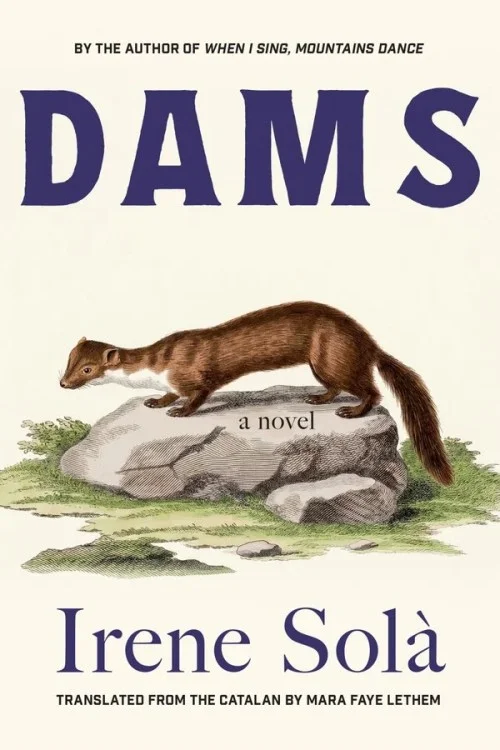
Dams
By Irene Solà
Translated by Mara Faye Lethem
Graywolf Press
Irene Solà’s metafictional novel brings together a land haunted by the ghosts of the Spanish Civil War and the stories written by its narrator, Ada. Layers of storytelling shape a book rich in lore, where memory and desire remain entangled. The reviewer calls Dams genre-defying; its shifting relationship between the land and Ada’s writing should appeal to readers who enjoy fiction that makes the act of storytelling part of the experience.
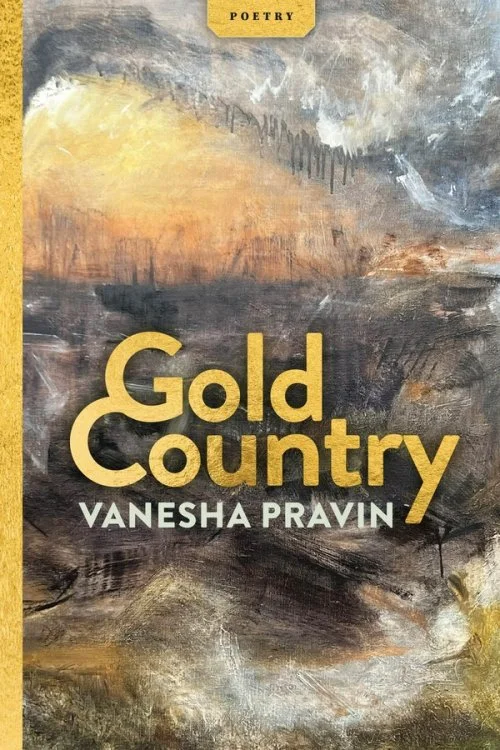
Gold Country
By Vanesha Pravin
Ohio State University Press
Vanesha Pravin’s collection offers vignettes about labor and life in the United States today. Its subjects include an undocumented worker waiting on a celebrity and an orderly who steals credit cards to support a fix. Across these varied lives, the poems examine the gap between aspiration and reality in the context of the American Dream. The reviewer finds both simmering anger and prayers for a better world in the work. Readers looking for poetry that gives its characters’ working lives complexity and force have a clear reason to pick it up.
Together, these 12 books offer sharply different ways into questions of love, work, memory and belonging. Their settings and forms vary widely, but each gives readers a particular life or perspective to spend time with—a good place to start when choosing November’s next read.
The post 12 Must-Read Books of November 2026 appeared first on Chicago Review of Books.


