Jill Murphy’s The Worst Witch Strikes Again Brings Enid Nightshade to Cackle’s Academy
| Shelf | Publishing Industry |
|---|---|
| Date in | |
| Readers | 974 |
Mildred’s new duty to guide Enid Nightshade turns into a lively lesson in friendship, blame and standing up for herself at Miss Cackle’s Academy.

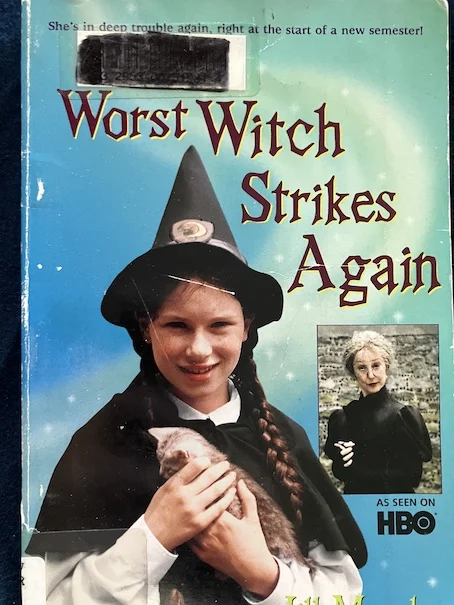
A new responsibility for Mildred
Jill Murphy’s The Worst Witch Strikes Again puts a fresh twist on a familiar school story: the student asked to guide a younger newcomer may need as much help as the newcomer does. Published in 1980, the book returns to Miss Cackle’s Academy for another term with Mildred Hubble, whose knack for good intentions and muddled execution has survived the previous term’s dramatic events.
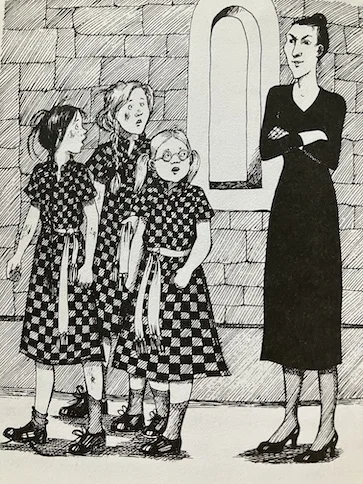
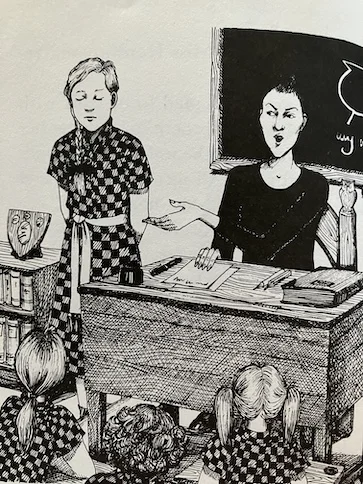
Miss Cackle remembers that Mildred helped save the school, but gratitude doesn’t exempt her from lessons, rules or the occasional reprimand. Mildred still gets things wrong in class, and boredom can lead her to mischief. Hoping a little responsibility will help her mature, the headmistress assigns her to look after Enid Nightshade, a new pupil who needs to learn her way around.
Miss Hardbroom, the stern potions teacher, has doubts. Mildred’s own grasp of school life can look shaky, so she may not be the obvious choice to set an example. Miss Cackle hopes the task will encourage Mildred to take more care. The arrangement also raises a comic possibility: perhaps Enid will shape Mildred’s behavior as much as Mildred shapes hers.
Enid turns the tables
Enid quickly proves to be an unpredictable companion. In a chanting lesson, she deliberately sings in a silly way, making Mildred laugh and drawing the teacher’s attention. Then there’s the matter of the pet she keeps in her room. The school permits cats, but Enid appears to have a monkey, and Mildred accidentally lets it loose.
The apparent monkey turns out to be Enid’s cat, transformed for amusement. Mildred gets the blame, though she can’t bring herself to tell on Enid. The predicament gives Murphy plenty of room for the kind of escalating school chaos that makes Mildred’s misadventures so entertaining: she is caught in the consequences of someone else’s prank, while her loyalty keeps her from explaining what happened.
That silence complicates Mildred’s friendship with Maud. Miss Cackle expects Mildred to spend time helping Enid, but Maud sees her closest friend drifting away. Feeling left out, she begins spending time with Ethel, a girl Mildred finds difficult to tolerate. The new assignment, meant to teach Mildred responsibility, now strains an old friendship as well as testing her patience.
Enid’s mischief repeatedly puts Mildred at risk of expulsion, while Enid herself escapes suspicion. Mildred struggles to be angry with her because Enid doesn’t seem to intend all the trouble that follows. Still, good intentions don’t erase the effect of her choices: she doesn’t initially step forward to clear Mildred’s name. The central lesson starts to shift. Mildred may need to learn how to set boundaries and speak up, not simply how to model good behavior for a younger pupil.
Friendship, blame and a schoolyard reversal
The setup draws on a long-running boarding-school story convention: an older pupil is charged with guiding someone younger. The reviewer connects that tradition to Tom Brown’s School Days. Murphy makes the arrangement feel fresh by reversing its expected direction. Rather than calmly passing on her wisdom, Mildred finds herself pulled into Enid’s escapades—and left to manage their consequences.
That reversal makes the story’s questions about responsibility more interesting than a simple lesson in obedience. Mildred is expected to be a role model, but the book also asks what responsibility looks like when loyalty and fairness pull in different directions. Her reluctance to betray Enid is understandable, while the unfairness of carrying the blame remains clear. The reviewer admits to finding Enid frustrating at first, especially because she doesn’t grasp how seriously Mildred’s predicament is escalating. Once she does understand, however, Enid is ready to accept responsibility.
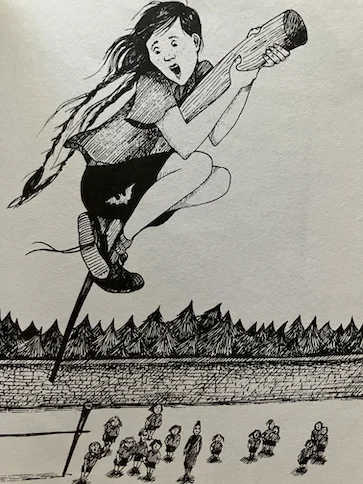
Ethel’s nasty trick eventually pushes Mildred, Enid and Maud into a more united position. Mildred and Enid respond with an elaborate stunt, and Maud stands up for them, helping present their escapade as an ambitious tribute to the school. Their explanation is enough to smooth things over with Miss Cackle and Miss Hardbroom. The resolution brings the friends back together, with Enid joining Mildred and Maud as part of the group from this point in the series.
Readers who enjoy school stories with lively friendships, comic mishaps and a heroine who learns through trial and error may find this a charming return to Miss Cackle’s Academy. The book keeps its focus on the shifting loyalties between three girls, while letting Mildred remain imperfect and sympathetic. The reviewer notes that it can be borrowed and read for free online through Internet Archive, which lists multiple copies.
For all the magical commotion, the lasting change is personal: Mildred’s circle expands, and she begins to discover that helping a friend can mean asking that friend to own her actions. Enid’s arrival gives the series a new source of trouble, but also makes room for a friendship that will continue beyond this term.