Three Middle Grade Gift Picks: Mo Farah, Spooky Waldo Puzzles and an Advent Calendar
| Shelf | Authors & Interviews |
|---|---|
| Date in | |
| Readers | 877 |
A biography, Halloween puzzles and a daily search-and-find calendar offer three playful choices for readers aged 6–10.

For readers aged 6–10 who want something lively and approachable, these three books and activities offer different ways into a story: a short illustrated biography, a puzzle book built for browsing, and a calendar that turns the days before Christmas into a daily discovery. They suit children who may not be looking for a long novel, and give gift-givers options for readers who like facts, visual challenges or small surprises.
Mo Farah’s story of identity and perseverance

Mo Farah – The Boy Who Ran to Be Free is an 85-page, easy-to-read biography and the second book in the Muslim Mavericks series. The earlier title, Maysoon Zayid, The Girl Who Can Can, introduced another subject whose life story offers young readers a window onto a real person’s experiences.
This volume follows Mo Farah, whose birth name was Hussein Abdi Kahin. At age nine, he was taken from his family home in Somaliland to England and given the name Mo Farah. The book traces the difficulties that followed and the support he received from caring adults. Its account also looks toward his hope of reconnecting with his family and finding the other boy who was originally called Mo Farah.
The reviewer describes the book as fascinating and revealing, and says its illustrations help bring the story into focus. Farah went on to win four Olympic gold medals; at 43, he continues to inspire readers, according to the source. The book’s central appeal for children is the personal story behind a celebrated athlete’s name and achievements. It offers a way to discuss identity, family and the people who help someone through difficult circumstances without asking young readers to take on a lengthy novel.
Mo Farah is written by Dr. Seema Yasmin, whose work spans journalism, medicine, teaching, poetry and books for adult readers. Yasmin is a Pulitzer Prize finalist and Emmy Award-winning journalist. Her books include Muslim Women Are Everything, Viral BS: Medical Myths and Why We Fall for Them, and the poetry collection If God is a Virus. She trained in medicine at the University of Cambridge and journalism at the University of Toronto. Yasmin is director of the Stanford Health Communication Initiative, a clinical assistant professor of medicine at Stanford University and a visiting assistant professor of crisis management at UCLA’s Anderson School of Management.
Readers who want to learn more about Farah can visit his website.
Halloween details to spot with Waldo
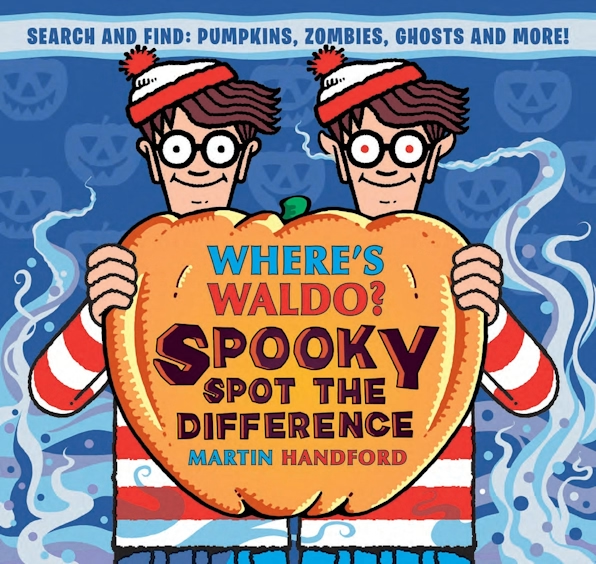
Where’s Waldo? Spooky Spot the Difference sends Waldo and his friends on a Halloween adventure, with puzzles that encourage children to look closely and compare what they see. The book is designed for dipping in and out: a child can tackle a challenge, flip back through the pages to check details, and return for another round.
The puzzles vary rather than repeating a single format. Examples include spotting changes across four magical lands and finding 15 differences in pirates’ hats. That variety makes the book a natural fit for children who enjoy visual details and playful challenges, including readers who prefer an activity to a continuous story. It can also give siblings or friends something to work through together, each noticing different clues on the page.
The reviewer recommends it as a gift for a visual learner. Candlewick’s page for Where’s Waldo? Spooky Spot the Difference provides the title’s publisher information.
A Waldo discovery for each day before Christmas
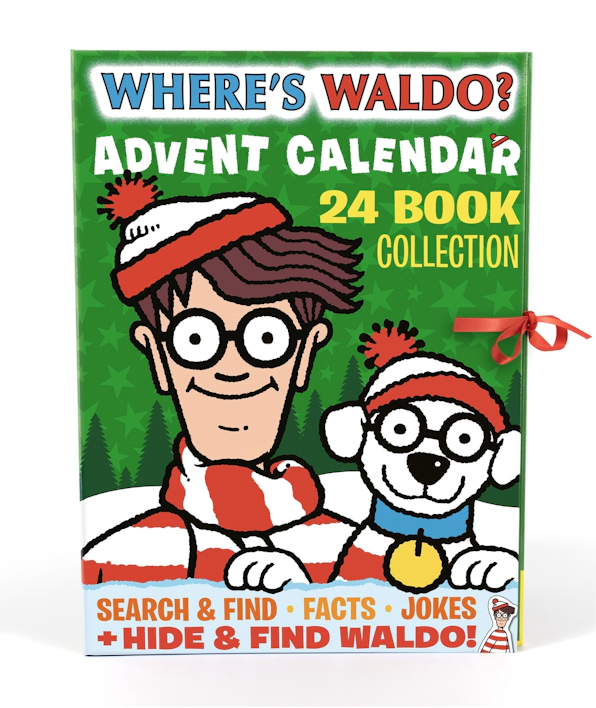
Where’s Waldo Advent Calendar offers another kind of activity: a new mini-book each day, with search-and-find games, jokes and facts. The gradual reveal gives children a small reading-and-looking activity to return to throughout the season, rather than one larger book to finish at once.
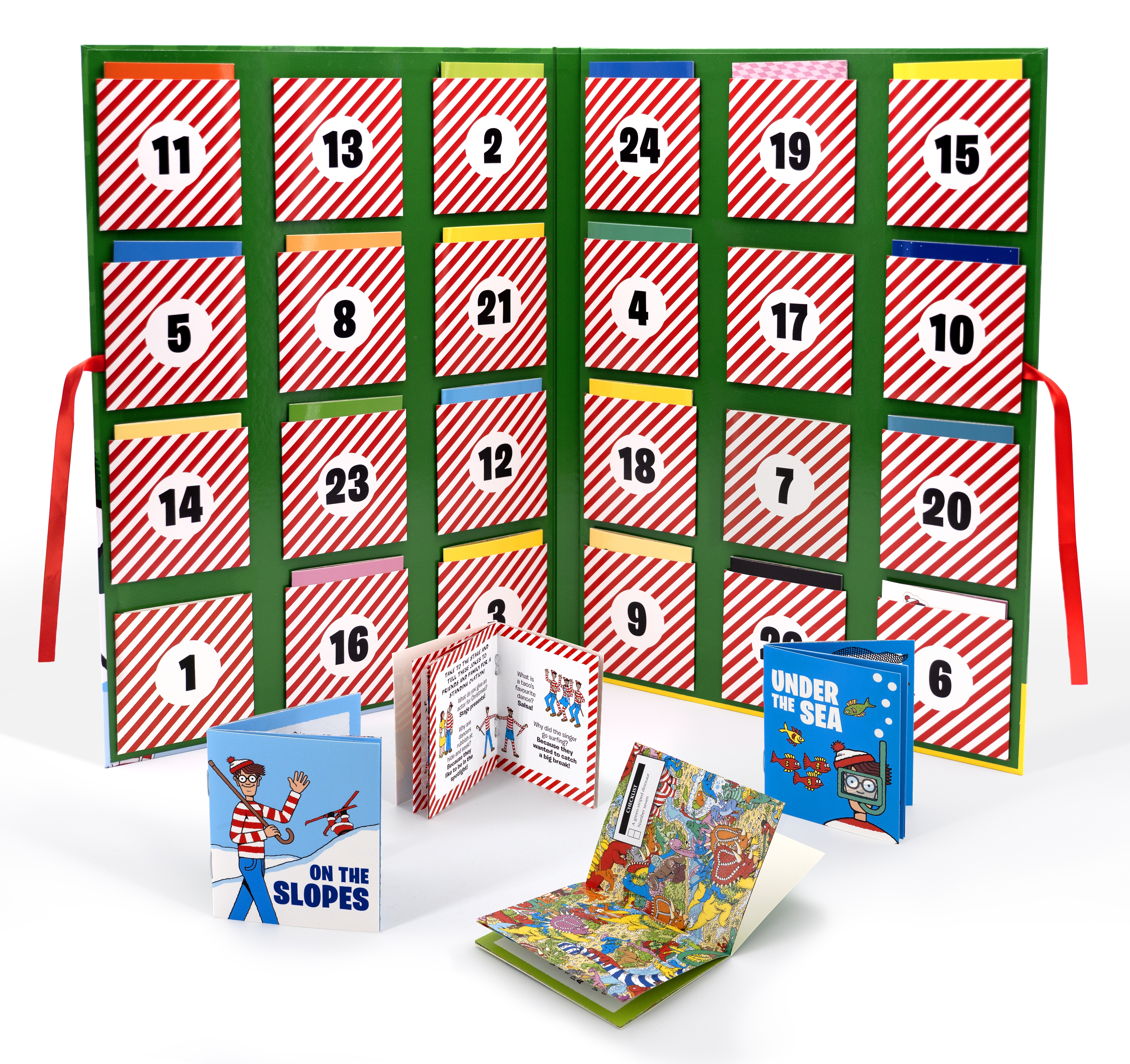
On Christmas Eve, children can press out and assemble a Waldo figure, then hide it for family or friends to find. The reviewer highlights the calendar’s screen-free play and potential for festive family activity, and sees it as a gift that can be brought back in later years. Its mix of daily books and a hands-on final activity gives it a different rhythm from a standard puzzle collection.
Waldo’s creator, Martin Handford, spent much of his childhood drawing. After art college, he worked as a freelance illustrator specializing in crowd scenes. His inspiration comes from sources including films, museums and art galleries, comics, books, ephemera and trivia. He builds on that research with his own ideas to make detailed scenes, drawing on his interest in the patterns, energy and humor of crowds.
Three formats for different readers
These picks offer three distinct ways to keep a young reader engaged: a concise real-life story, a book of challenges to solve at the reader’s own pace, and a calendar that spaces out its activities day by day. The best fit depends on what the child enjoys most: learning about a person’s life, searching an illustrated scene or anticipating a new mini-book. That variety makes the trio useful for gift-givers looking beyond another heavy novel.
The reviewer also invites readers to join the next Marvelous Middle Grade Monday, a regular feature sharing highlights and links from bloggers writing about middle grade books, including reviews, interviews and writing tips. Browse past MMGM posts for previous selections and submission details.