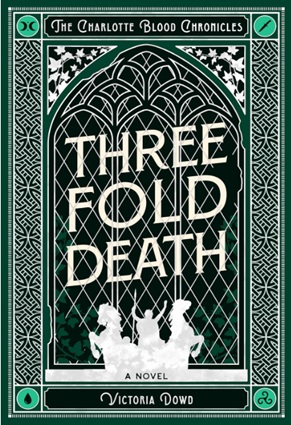
Victoria Dowd’s Threefold Death Takes September’s Puzzly Book of the Month
| Shelf | Book Reviews |
|---|---|
| Date in | |
| Readers | 389 |
Victoria Dowd’s atmospheric Threefold Death wins September’s Puzzly, ahead of three other mysteries the reviewer calls excellent.
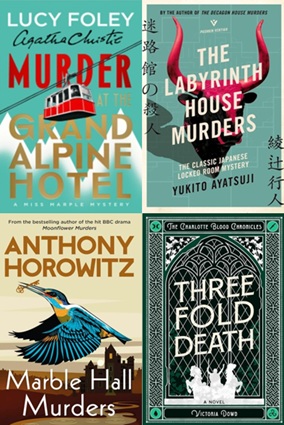
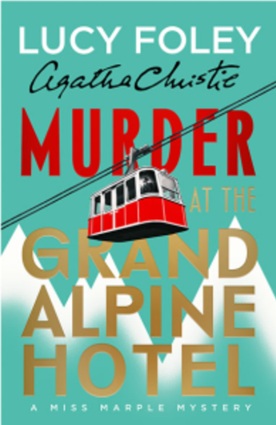
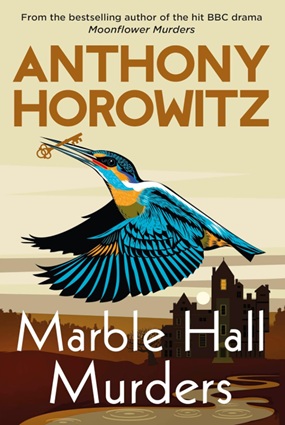
Victoria Dowd’s Threefold Death takes September’s Puzzly Book of the Month after a crowded reading month left the reviewer with four mysteries they considered excellent. The second Charlotte Blood novel edged out Marble Hall Murders by Anthony Horowitz, Lucy Foley’s Murder At The Grand Alpine Hotel and Yukito Ayatsuji’s The Labyrinth House Murders.
The choice came down to a tie-break rather than a gap in the reviewer’s enthusiasm. Dowd had taken part in the blog’s inaugural “Five Books” interview, a connection that tipped the award her way. The reviewer stresses that all four books fooled them: they estimate they solved or guessed roughly a third of one mystery. Their verdict is a strong recommendation for each title.

Four mysteries, four different pleasures
Threefold Death stood out for its atmosphere, lively characters and puzzling murder. It’s the second Charlotte Blood mystery, and the reviewer found it stronger than the first. Two impossible crimes and a clue they hadn’t spotted helped make the case especially satisfying. The award reflects both the book’s appeal and the author’s earlier contribution to the blog’s interview series.

Ayatsuji’s The Labyrinth House Murders delivered a very different kind of pleasure: a twist-heavy puzzle that the reviewer compares to John Dickson Carr “on acid.” They found the novel wildly inventive and full of surprises, praising the way it plays with the conventions of the classic mystery. It was one of the month’s clearest successes.
Foley’s Murder At The Grand Alpine Hotel also earned the reviewer’s affection. They describe its plot as exceptionally well constructed and “Christiesque,” while pointing to its modern presentation. For this reader, the novel showed how a contemporary structure can still carry the spirit of Agatha Christie’s mystery writing.

Horowitz’s Marble Hall Murders completed the shortlist. The reviewer had delayed picking it up because of its page count, then found the length well worth the commitment. They mention surprise at some responses to their review and add that someone who watched the dramatisation told them the book was better. That report is second-hand, but it matches the reviewer’s own high opinion of the novel.

A month of mixed reads
The shortlist emerged from a September that turned out to be far busier than the reviewer expected. They initially thought it would be an easy month to recap, since the start of term usually leaves little time for reading. A final week of August spent on holiday changed the count: books read then were reviewed in September, bringing the month’s total to nineteen.

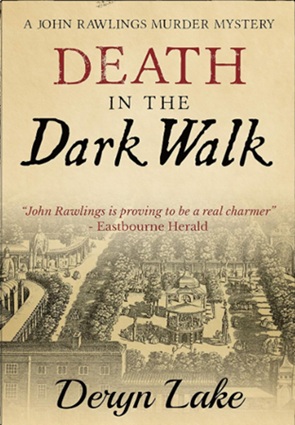
The full list included several novels that didn’t work as well for this reader. Seishi Yokomizo’s The Devil’s Flute Murder had promising material, including a flute played before the murders, but the reviewer felt that potential went unused. Deryn Lake’s Death In The Dark Walk also disappointed; the reviewer liked an idea near the end but thought it took too long to arrive. Lynda S Robinson’s Murder In The Place Of Anubis held their interest more successfully, though they found its villain too obvious.
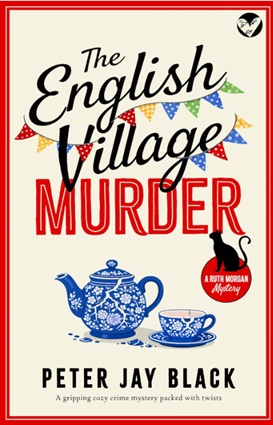
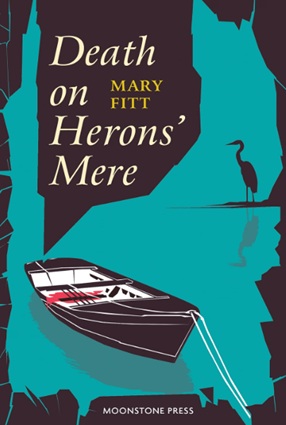
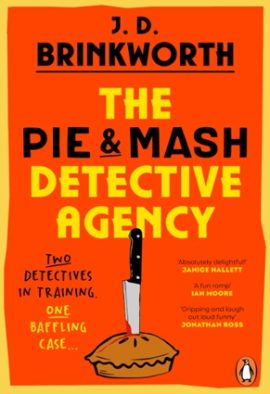
Some of the month’s reactions came down to taste. The reviewer struggled with the comic crime in J D Brinkworth’s The Pie & Mash Detective Agency and Peter Jay Black’s The English Village Murder, attributing that response to a mismatch in humour. Simon Brett’s Murder In The Title and Mary Fitt’s Death On Heron’s Mere were also difficult reads for them, despite recognising reasons they might have enjoyed Fitt’s mystery more.
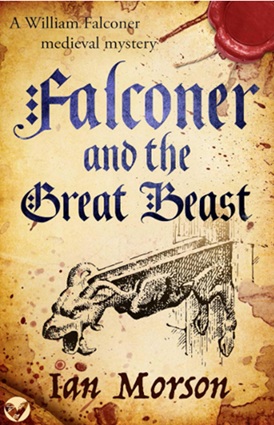
Other books offered stronger reasons to continue with a series. Jim Kelly’s The Water Clock, read after the reviewer enjoyed The American Suspect and on Richard Reynolds’s recommendation, struck them as an interesting series opener. Daniel Sellers’s The Isle Of Mull Murders was a strong second entry in the “Highland Killings” series, combining classic and procedural mystery elements. Ian Morson’s Falconer And The Great Beast brought a murder involving a visiting Tartar to thirteenth-century Oxford; the reviewer liked it, while finding it less deep than the preceding Falconer book.
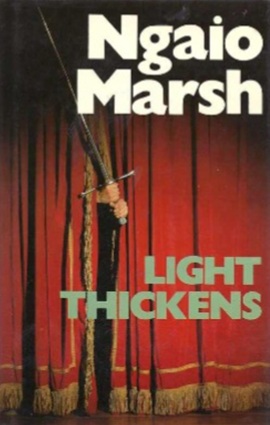
Historical and classic mysteries rounded out the reading. Lynda S Robinson’s novel set in ancient Egypt fared better than Lake’s historical mystery, while Ngaio Marsh’s Light Thickens follows a production of Macbeth interrupted by murder and the arrival of Inspector Alleyn. Colin Dexter’s The Silent World Of Nicholas Quinn appeared later in the month, though the reviewer says it wasn’t chosen to contrast the gender themes they had just encountered in Beth Lewis’s The Rush.
That novel tells the epic story of three women facing the Yukon during the Gold Rush. There is a whodunnit within it, but the reviewer says the women’s stories are its main draw and cautions that readers seeking a surprise in the mystery may want to keep that in mind. L J Ross’s Holy Island, meanwhile, recasts Lindisfarne with a tone the reviewer likens to a meeting between Hot Fuzz and The Wicker Man. They enjoyed it and plan to return to the series.



The result is a month with more uneven reads than usual, but also four mysteries that made a lasting impression. The reviewer’s pick is Dowd’s Threefold Death, with Ayatsuji, Foley and Horowitz close behind. Next month’s plans include new titles, a book by L C Tyler that the reviewer has already read and loved, authors appearing at Death In The Dales, and the hope of fitting in an older classic. For readers choosing their next puzzle, September’s standout group offers four distinct routes into a satisfying mystery.