Nine Christian Kindle Finds Listed at Prices From 99 Cents
| Shelf | Book Reviews |
|---|---|
| Date in | |
| Readers | 692 |
Tattie’s October 16 roundup lists nine Christian fiction and nonfiction finds, priced from 99 cents to $4.99, with links to Amazon.

Tattie’s October 16 roundup gathers nine Christian fiction and nonfiction finds at prices ranging from 99 cents to $4.99. It’s built for quick browsing: each entry pairs a cover image with a price and an Amazon link. The post doesn’t provide book titles, author names, descriptions or publication details in the text, so readers will need to follow the links to learn what each book offers. That makes the roundup useful as a discovery prompt, but limited as a guide to the books themselves.

Nine listings, one price range
The displayed prices, in the order shown, are $4.99, 99 cents, 99 cents, $1.99, $2.99, $2.99, $2.49, $1.99 and $2.99. Two listings sit at the lowest price, while three are marked $2.99; the first entry, at $4.99, is the most expensive. The range gives readers several low-cost ways to browse, though price alone says little about a book’s subject, length or format.
That distinction matters in a list that combines fiction and nonfiction under one broad category. A reader looking for a novel, devotional reading or another kind of nonfiction can’t tell from the accompanying text which link leads where. The images may help identify the books for shoppers who recognize a cover, but the post doesn’t add the titles or descriptive copy needed for readers encountering them for the first time.
Each item has its own image and link, so the list works as a starting point for readers already interested in Christian fiction or nonfiction. The category heading groups the finds together, but it doesn’t identify particular subgenres or explain how the books differ. Nor does the post say whether the displayed prices apply to specific formats or how long they’ll remain available. Those details are left to the linked pages, where readers can check the listing before deciding whether a book fits their interests.
Here’s the thing: the prices are the clearest piece of information the roundup offers, and that makes it easier to browse by cost than by content. The numbers here are underwhelming as a basis for choosing a book. Still, for a reader who already knows the titles from their covers, a compact list of links can save time. A useful shortcut, with a limit.

$4.99 — Amazon

99 cents — Amazon

99 cents — Amazon
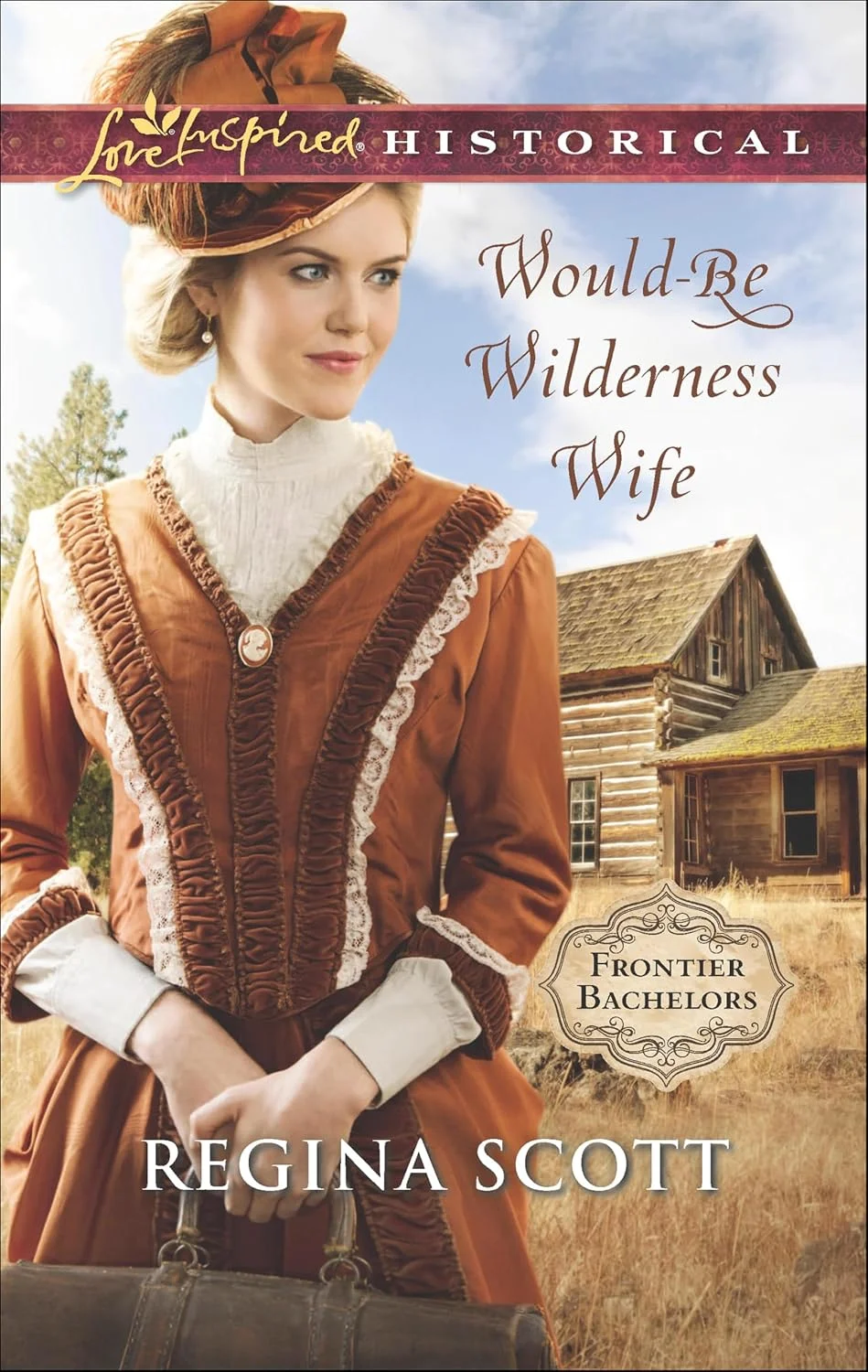
$1.99 — Amazon
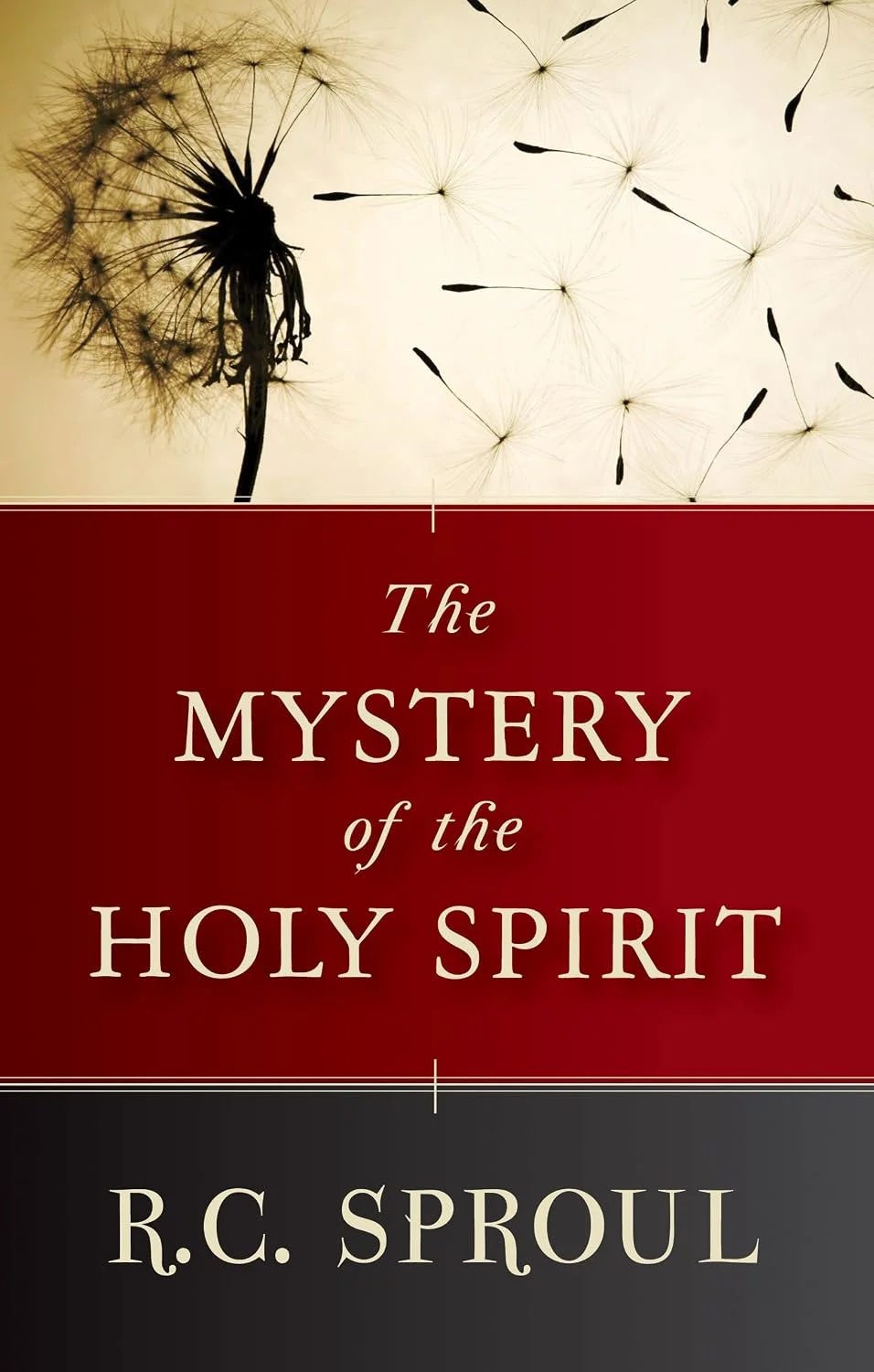
$2.99 — Amazon
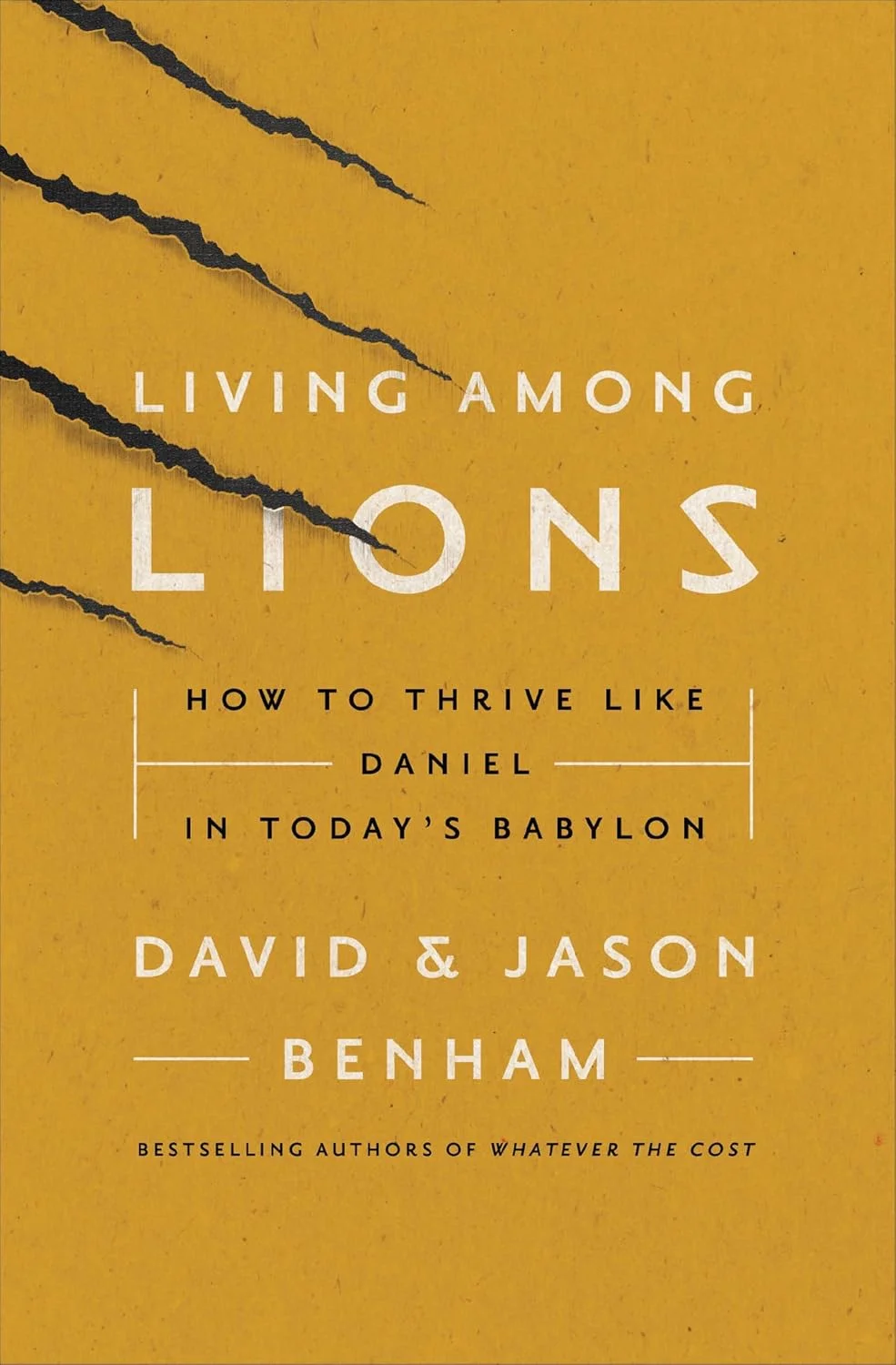
$2.99 — Amazon
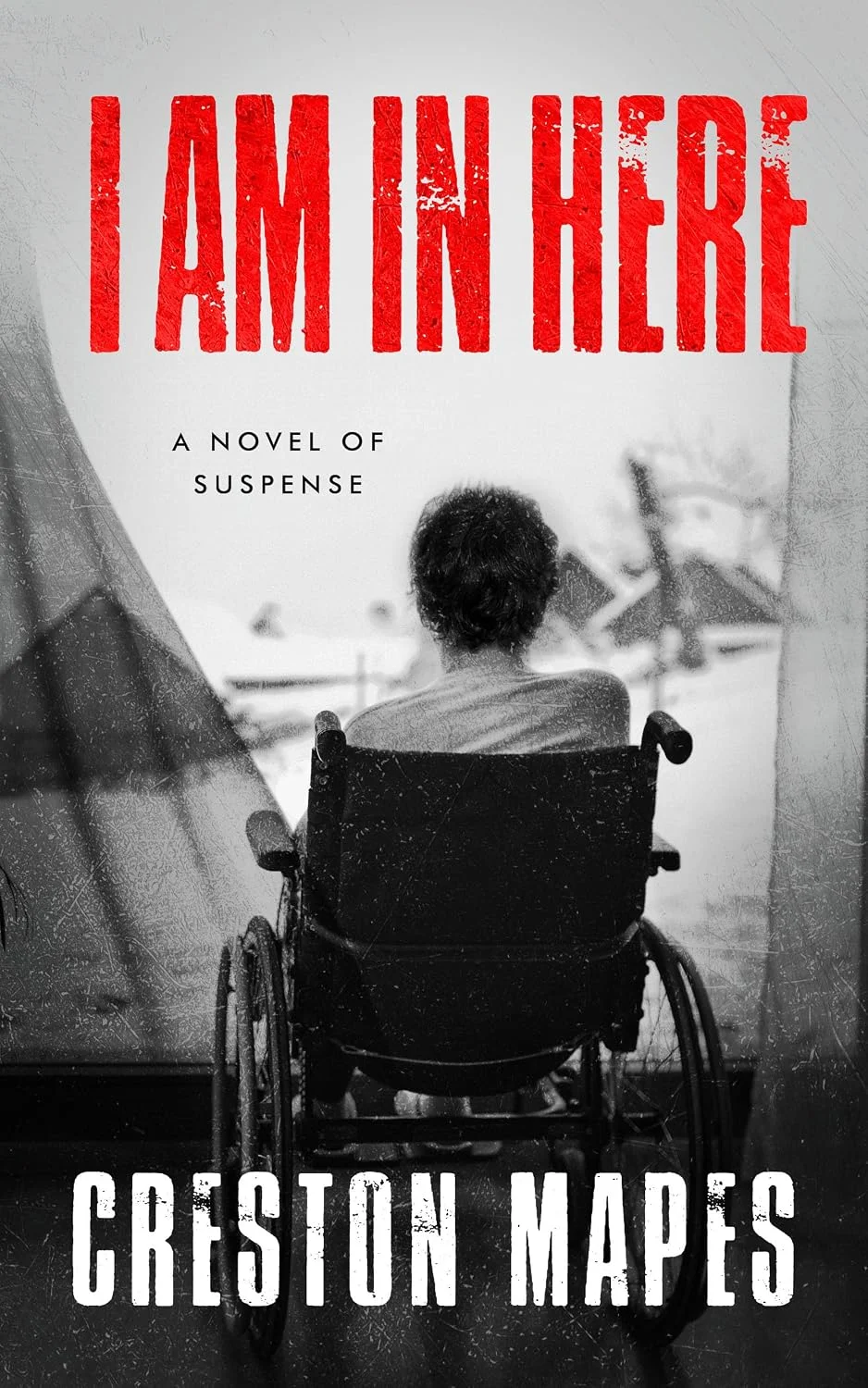
$2.49 — Amazon
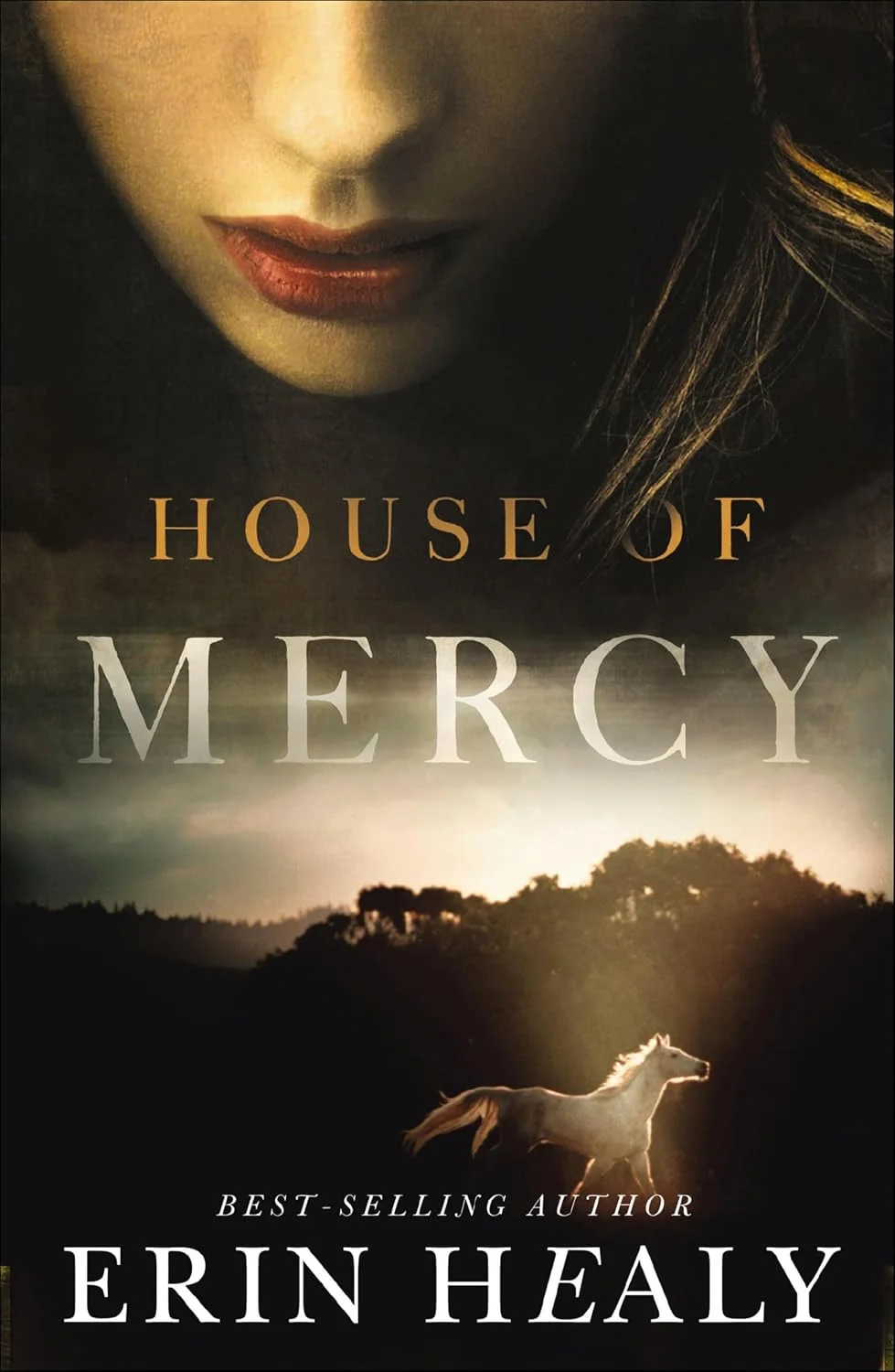
$1.99 — Amazon
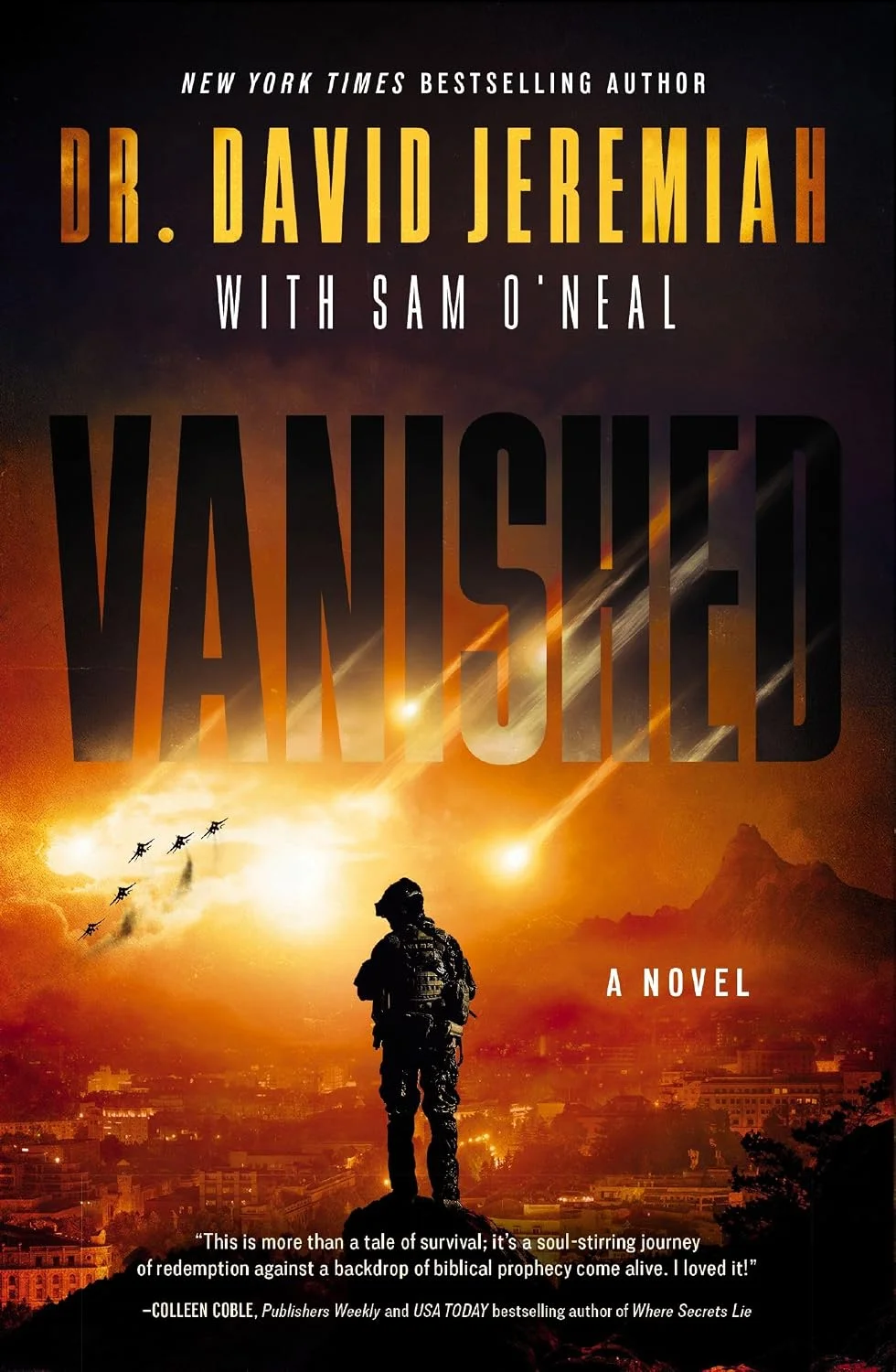
$2.99 — Amazon
About the roundup
Tattie wrote the post and describes herself as the author of Christian fiction novels, novellas and short stories. She also runs ChristianBookFinds.com, a deals-focused blog for Christian Kindle books. That background gives the roundup a clear purpose: it’s aimed at readers who want to scan covers and prices, then open individual listings for more information. The post’s concise format suits that task, though it doesn’t offer the editorial detail that would help a new reader compare the books on the page.
The post includes an affiliate disclosure: Tattie may earn a small commission when readers buy through its links, at no extra cost to them, and identifies her participation as an Amazon Associate. That disclosure gives readers context for the shopping links. If you’re browsing the list, it’s useful to know how those links may support the site; the disclosure doesn’t tell you whether any particular book is right for you.
For readers browsing on price, the list offers several entry points below $3 alongside the $4.99 listing. For readers choosing by subject, author or story, the linked pages are essential: the roundup itself doesn’t supply summaries or enough identifying information to make a title-specific recommendation. Checking each listing for its description, format and current price is the practical next step. Prices shown in a roundup can change, so the linked page is the place to confirm what’s available when you visit.
What the format offers—and what it leaves out
The value of this kind of post is its quick, focused selection. It puts nine options in one place and makes the listed prices easy to compare at a glance. That’s a modest service, but a real one for readers who are already searching for Christian Kindle books and don’t need a long introduction before opening a product page.
And yet, the absence of titles and descriptions limits what the roundup can accomplish on its own. Readers can’t compare themes, assess whether a nonfiction book addresses a particular interest, or decide which novel might suit a certain mood from the text provided. The cover images may carry some of that information for familiar readers, but they don’t replace readable titles or summaries for everyone else.
Why the missing details matter
The format shapes the reader’s next step: instead of deciding among nine described books, readers have to open the links one by one and gather the information themselves. That’s a reasonable route for a deals list, but it puts the work of comparison outside the roundup. For someone browsing casually, the extra steps may be enough to narrow interest to the most familiar covers or lowest prices.
What this means for you is straightforward: treat the post as a set of leads, then check the linked listings for the details that matter to your choice. The nine links provide access to that next layer, while the roundup itself offers a quick view of the stated prices and the broad category. Its usefulness depends on how much follow-up a reader is willing to do.