Christian Kindle Finds: Nine Fiction and Nonfiction Deals for October 15
| Shelf | Book Reviews |
|---|---|
| Date in | |
| Readers | 858 |
Tattie’s October 15 roundup lists nine Christian Kindle offers, priced from free to $1.99, with Amazon links for each selection.

A low-cost list with a clear limit
Nine Christian Kindle offers make up Tattie’s October 15 roundup, with listed prices ranging from free to $1.99. The post groups the selections under “Christian Fiction and Nonfiction Finds” and links each item to Amazon. It’s a compact deal list, useful for readers browsing by price, though it doesn’t provide titles, authors, descriptions, publishers, or publication details for the individual books. That absence sets the terms of the roundup: it can point readers toward possible purchases, but it can’t tell them what they’re considering.

The limited information shapes how readers can use the list. Prices make the offers easy to scan, while the linked product pages are where readers can check what each book covers and whether it fits their interests. A free or low-priced ebook may be an easy way to sample a writer or subject, but price alone says little about genre, style, or suitability. If you’re choosing a book for a group, a young reader, or a particular topic, you’ll want to confirm those details before downloading. The savings are visible; the reading experience isn’t.
Offers listed in the roundup
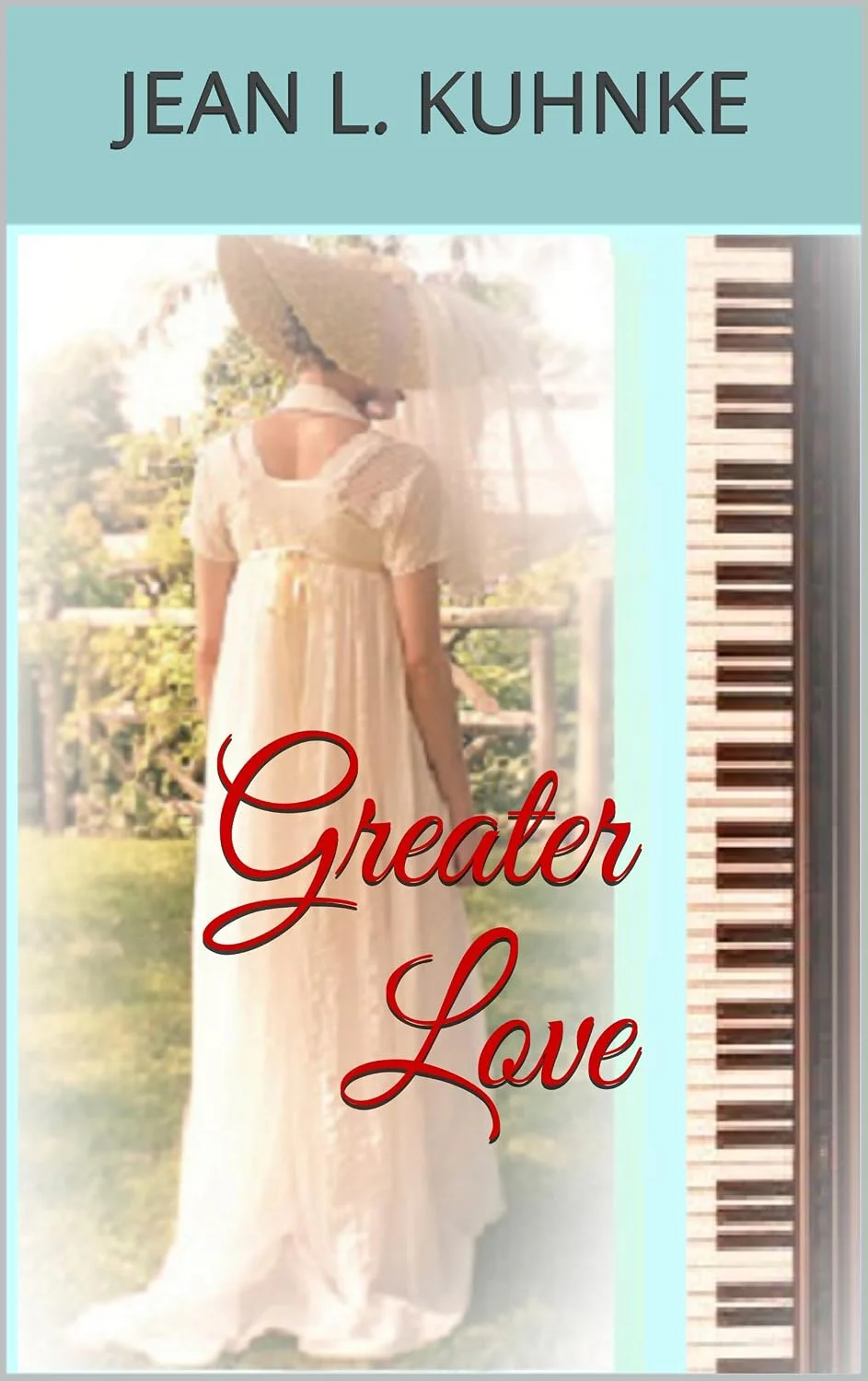
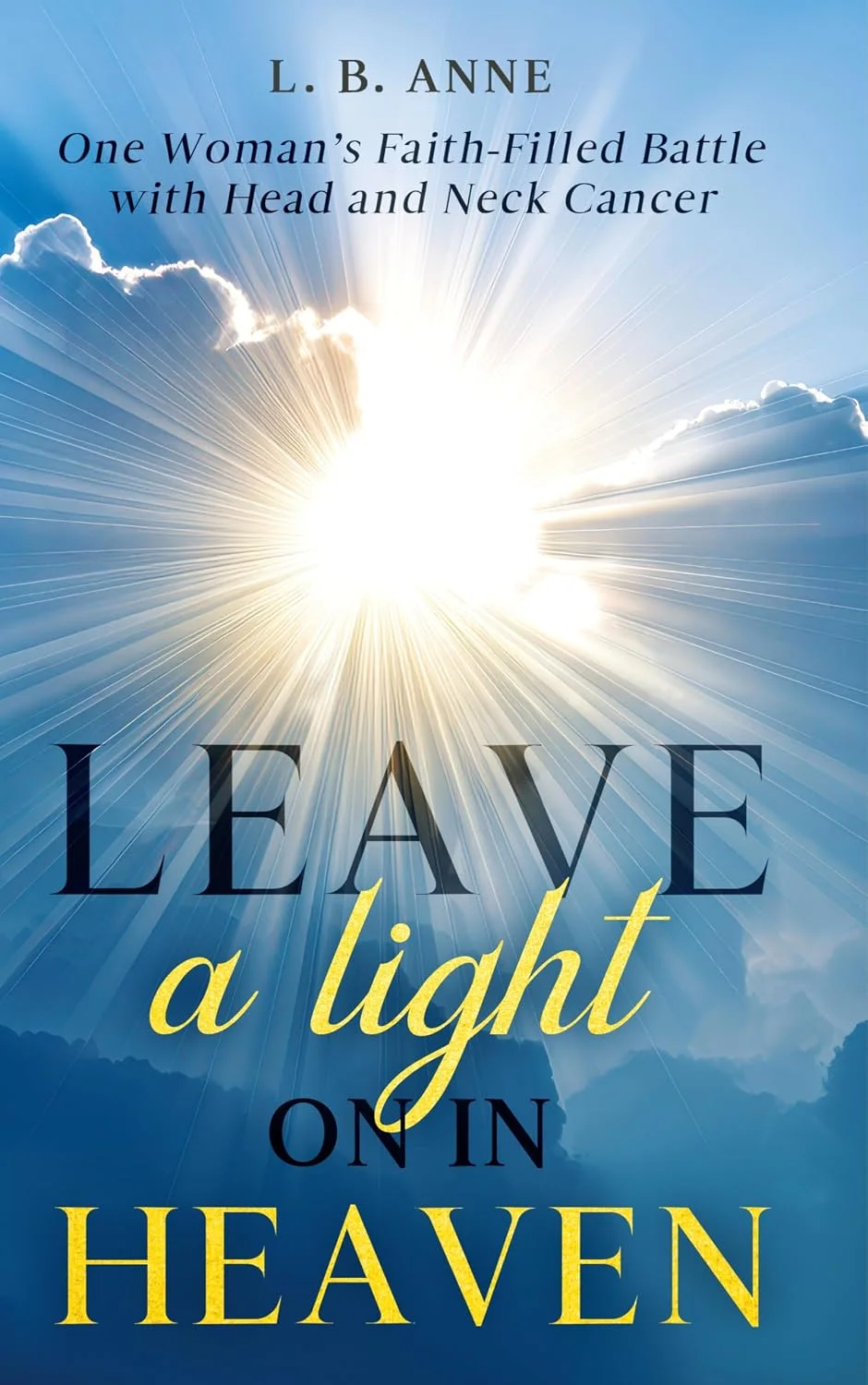
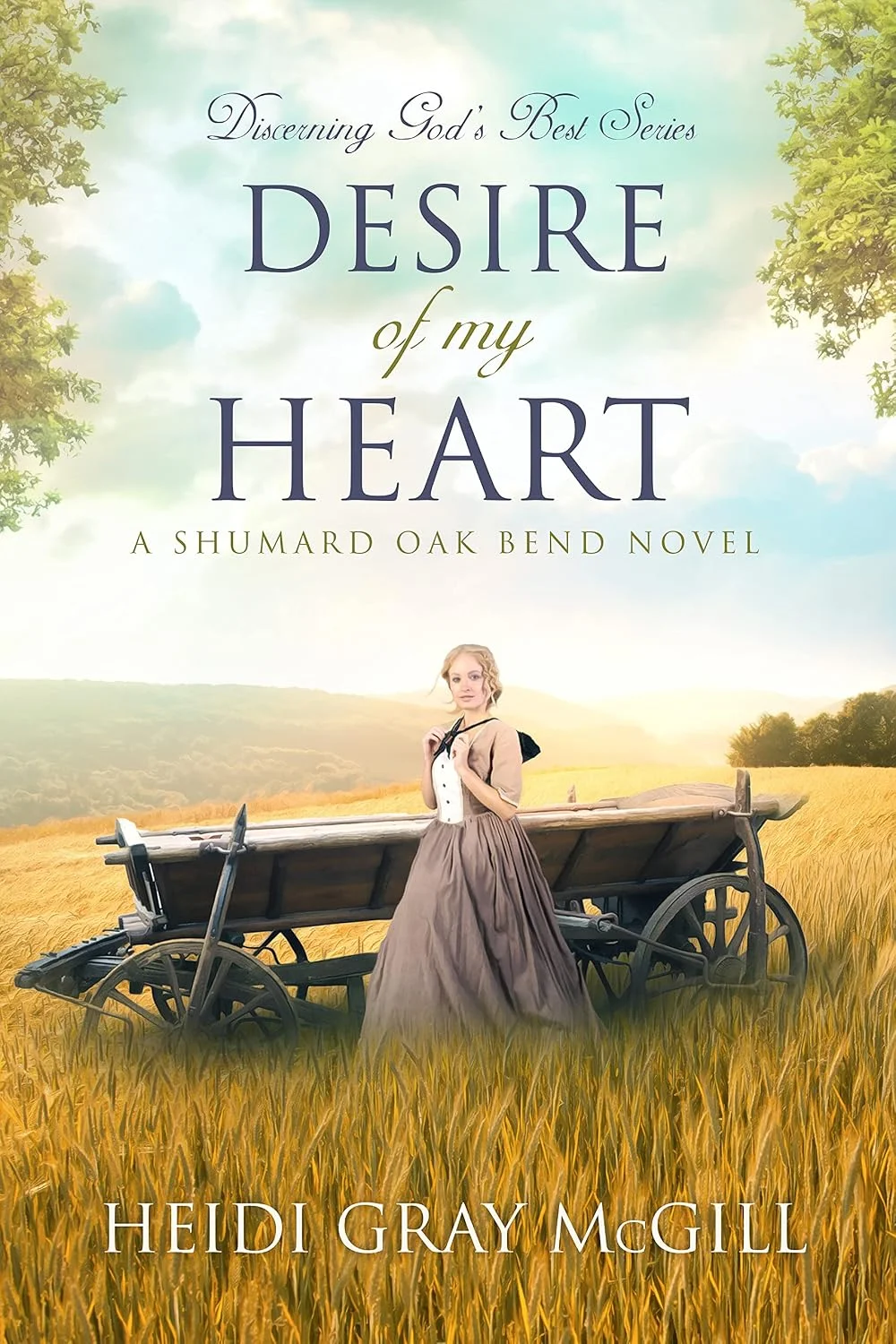
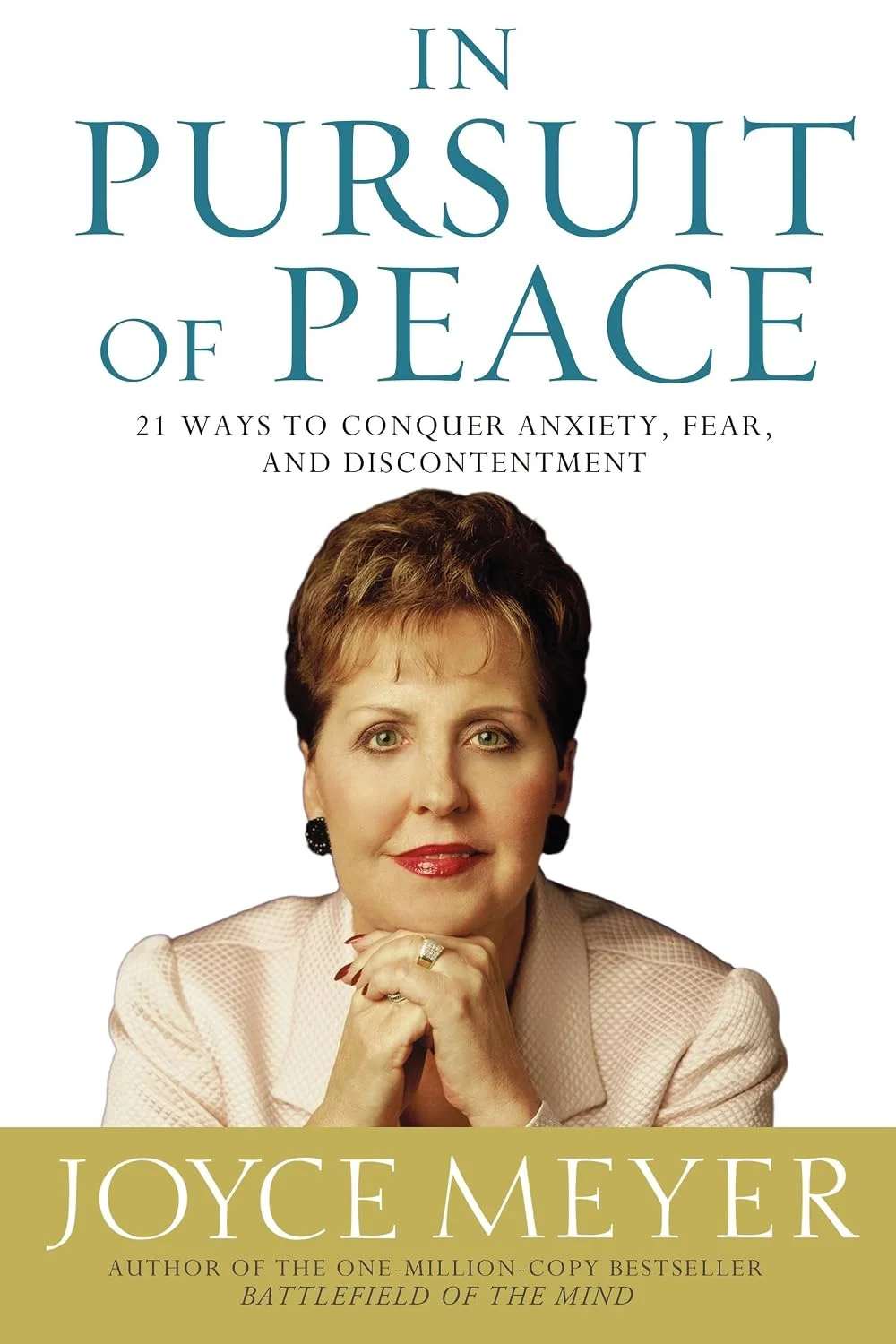
The post presents nine items in this order. The first and third are marked free; the second is $0.99. The next three are listed at $1.99, $0.99, and $1.99. The final three show prices of free, $1.99, and free. Each entry has a product image and an Amazon link, giving readers a direct route to the listing where they can investigate the book itself.
The price sequence offers a quick comparison, but it shouldn’t be mistaken for an editorial ranking. The roundup doesn’t explain why these particular books were selected, or distinguish one offer by subject, audience, or format. Readers who want to browse can start with any listing that catches their eye, then use its description to decide whether to continue. A deal is a prompt to look. That’s all the list can establish on its own.
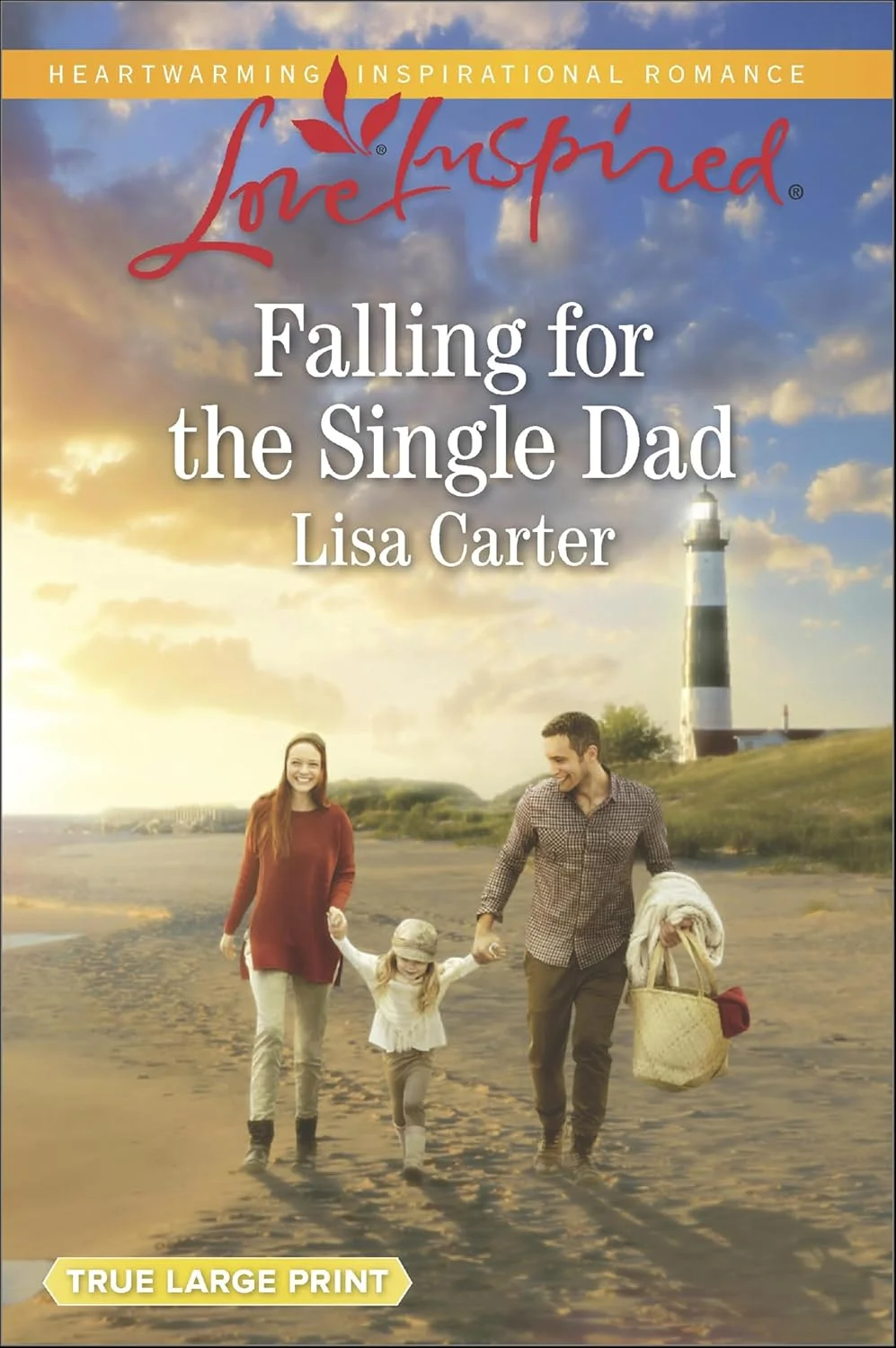
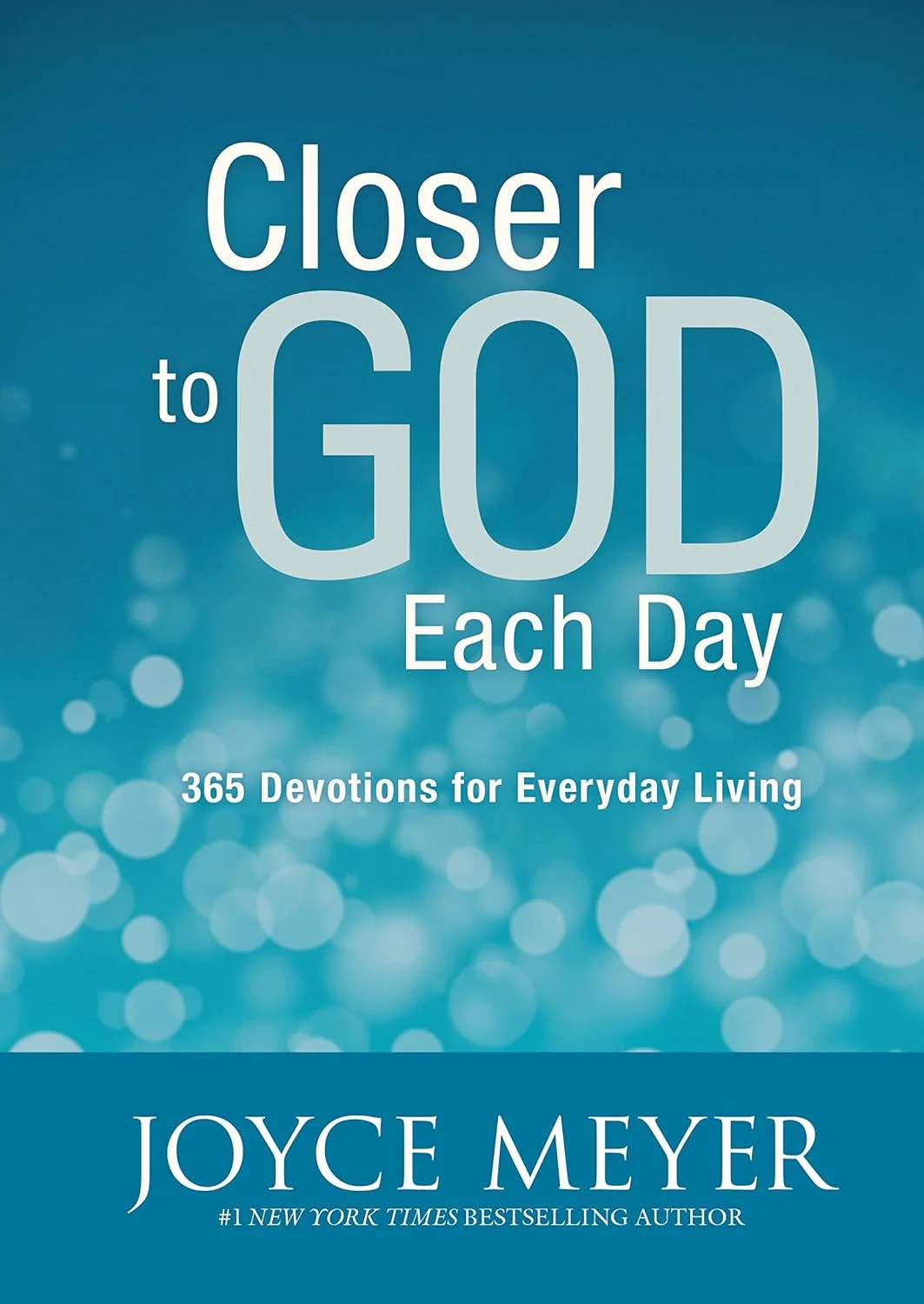

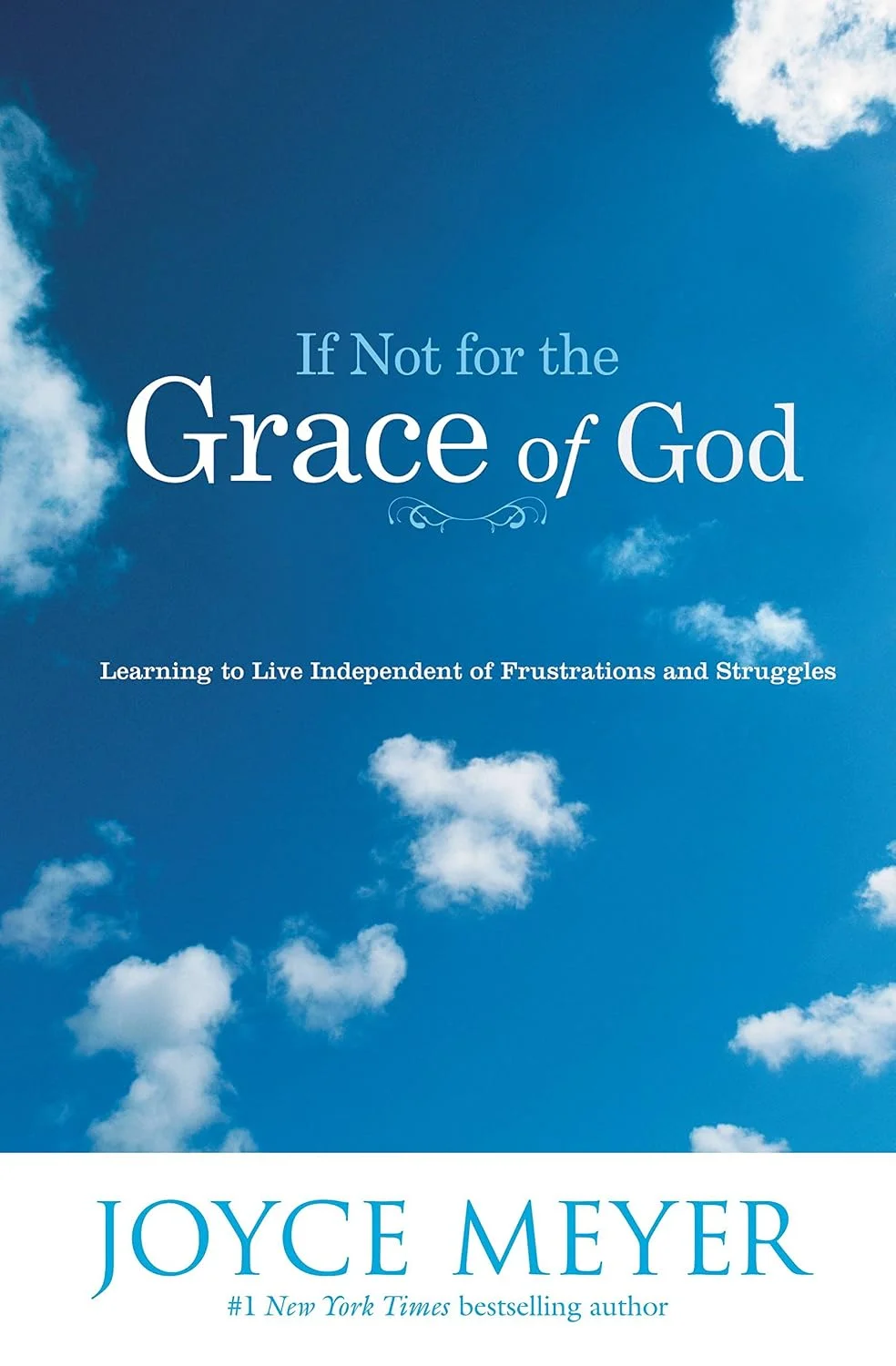

A quick way to browse, with details to check
For readers who already know what they’re looking for, the list offers a fast starting point: open the linked listings, compare descriptions, and decide which books deserve a closer look. The mix of free and low-cost offers also gives readers room to explore outside their usual picks. Someone seeking fiction can check the descriptions for story and genre; a reader interested in nonfiction can look for the subject and approach that suit them. The roundup’s value is practical rather than critical: it gathers links and prices, leaving the judgment to the reader.
For book-club members or parents, the missing descriptions matter more. The roundup doesn’t identify themes, reading level, content, or intended audience, so images and prices can’t answer those questions. Product information can help fill in the gaps, but readers should make their own judgment about a book’s fit rather than infer it from the category heading. That’s a modest but meaningful distinction when a purchase is meant for someone else, or when a group needs a book that supports a particular discussion.
Here’s the thing: a category label can help people find a list, but it can’t substitute for a description of each title. The roundup’s “Christian Fiction and Nonfiction Finds” heading signals a broad area of interest, while the nine entries remain unidentified in the post. Readers have to do the next layer of work themselves, checking the listings for subject matter, tone, and audience. (And this is the part most people overlook.) A low price lowers the cost of trying a book; it doesn’t establish that the book is right for a particular reader.
The value and limits of the deal format
Tattie wrote the roundup. The post also identifies her as the author of Christian fiction novels, novellas, and short stories, and as the person behind ChristianBookFinds.com, a deals blog for Christian Kindle books. She describes the site’s reader-supported model: purchases through its links may earn a small commission, at no extra cost to the buyer. That disclosure gives readers context for the shopping links as they browse, and it helps explain the post’s focus on offers and product pages.
This is more significant than it looks: a deals roundup is a form of curation, even when it doesn’t include reviews or explanations for each selection. Its usefulness depends on the reader understanding what the post does provide—prices and links—and what it leaves to the product pages. The commission disclosure is also part of that context. It tells readers that linked purchases may support the site, while leaving them free to assess each book independently.
What readers can take from the list
The practical takeaway is simple: there are nine offers to investigate, and the listed prices make the roundup easy to scan. Since ebook prices and availability can change, readers should check the linked product page for current details before deciding. Then compare each listing’s description with the kind of book you actually want to read. A few minutes of checking can make the difference between a cheap download and a suitable one.
For readers, the roundup is a discovery tool with a narrow brief. It can surface possible purchases and reduce the time spent searching for low-priced Christian Kindle books, but it doesn’t offer enough information to judge the books in advance. The next useful step is to follow the links, read the listings, and decide which offers merit attention. A starting point, not a recommendation.