What 99p Ebooks Buy Readers—and What Publishers Get in Return
| Shelf | Authors & Interviews |
|---|---|
| Date in | |
| Readers | 318 |
A three-month Kindle haul shows how 99p ebooks tempt readers, reward some authors and leave questions about series pricing and sales.

At 99p, an ebook can feel like a low-risk invitation. Over three months, one reader bought 37 titles at that price, alongside three more expensive purchases. The haul includes books picked up for events, titles already on the reader’s wish list and collections that looked too cheap to pass up. It also raises a useful question for publishers: when does a sharply reduced price bring a new reader to an author, and when does it simply add another file to a crowded Kindle?
The question came into focus after the reader encountered a post by D V Bishop about the pros and cons of 99p ebooks. Bishop writes the Cesare Aldo historical thrillers, among other books. The reader’s own spending offers a small, personal test of the appeal: what prompts someone to buy at this price, and which purchases seem likely to pay off?
Buying ahead of book events
Nine of the discounted books were bought in preparation for events. The reader went through the list of speakers and looked for titles available at 99p, hoping to sample their work before meeting them. It’s a practical way to make a crowded event list more manageable, though it can only cover some of the writers taking part.
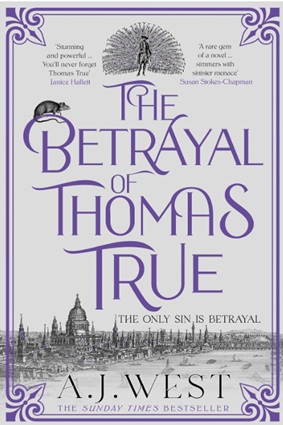
One purchase had a stronger pull than the price alone: The Betrayal Of Thomas True by A J West. The reader says they would probably have bought it at a higher price and, having read it, recommends it. That’s the clearest success story in the event group: a discount may have made the purchase easier, but interest in the book would have carried it further.
Discounts that meet existing interest
Another nine titles were books the reader already wanted to try, even if they weren’t actively searching for them when the offers appeared. This group includes two books by Stuart MacBride, a recommended Seishi Yokomizo title, the next instalment in Elly Griffiths’ time travel series and a Lincoln Rhyme novella by Jeffrey Deaver. The reader also picked up Sam Holland’s first serial killer book, Terry Pratchett’s The Fifth Elephant and David Fennell’s All Killers Abroad, recommended by Mike Craven.
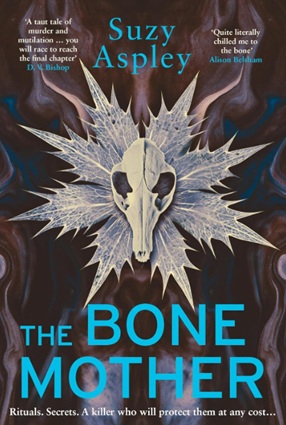
Suzy Aspley’s second book, The Bone Mother, went into the basket at 99p before Aspley sent the reader a print copy. The ebook purchase shows how a bargain can capture demand that already exists; in this case, the reader had enough interest to buy before receiving the book in another format.
Four more books were later entries in series the reader had started or might start someday: a late Slough House novel by Mick Herron, two titles by Michael Wood and a later DI Cross book by Tim Sullivan. These are purchases for a future reading plan, not an immediate next read. The reader expects that some could sit on the Kindle for years.
Collections and curiosity
The strongest arithmetic comes from four author collections: six books by Judith Cutler, nine by Rhys Bowen, eight by Priscilla Masters and five by Jim Kelly. Together, the 28 books cost £3.96, or an average of 14p each. The reader has so far tried only the Jim Kelly books, but considers that series worth the price on its own.
Eleven other ebooks were impulse buys, prompted by an intriguing description, repeated adverts or the thought of saving them for a quieter stretch. The experiment has had mixed results. Two unnamed books struck the reader as poor, and buying three from one of those series made the misjudgment more expensive. At the other end of the scale, I’m Not The Only Murderer In My Retirement Home by Fergus Craig proved a welcome discovery. The reader doubts they would have tried it without the low price, having not seen a review. Two other impulse purchases had Christmas storylines, which explains their seasonal appeal.

Where the price may miss its mark
The reader’s purchases also expose a potential mismatch between a discount and the book it’s meant to sell. Mick Herron’s Clown Town is a later Slough House title, rather than the natural entry point for someone drawn in by the television adaptation. The reader bought it with the intention of starting the series from the beginning eventually, so the ebook may sit unread for years. That’s a sale, but it’s unlikely to create much immediate word of mouth.
A complete collection of Ian Morson’s Falconer mysteries presents another puzzle: nine books for 99p offer remarkable value, but the reader wonders what follows if someone enjoys them. Morson wrote another series, but it’s out of print. A low price can help readers explore a backlist; without an obvious next purchase, the path from discovery to continued sales may be short.
The reader’s final assessment is deliberately mixed. Some discounted books are welcome finds, some were purchases they would have made anyway, and others are likely to remain unread. The 99p price keeps winning the reader over, but the business case varies with the title and what else an interested reader can find. For publishers, the most promising offer may be one that gives a newcomer a clear place to begin and another book to reach for if they enjoy it.