Ruth Chew’s No Such Thing as a Witch Makes Animal Magic a Neighborhood Affair
| Shelf | Publishing Industry |
|---|---|
| Date in | |
| Readers | 567 |
Ruth Chew’s 1971 story pairs magical fudge with lively animal encounters and a gentle lesson in seeing pets differently.

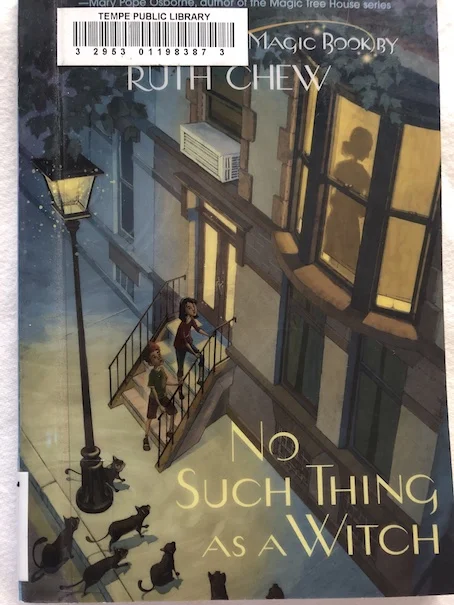
Ruth Chew’s No Such Thing as a Witch makes its magic feel close at hand: it arrives with a new neighbor, a squirrel and a business card mistaken for a tiny newspaper. First published in 1971, with the date 2013 also given for this edition, the story brings a touch of the uncanny into Nora and Tad’s ordinary brownstone neighborhood. Its appeal lies in the way animal magic opens the children’s eyes to creatures they thought they already understood.
A neighbor with an unusual recipe
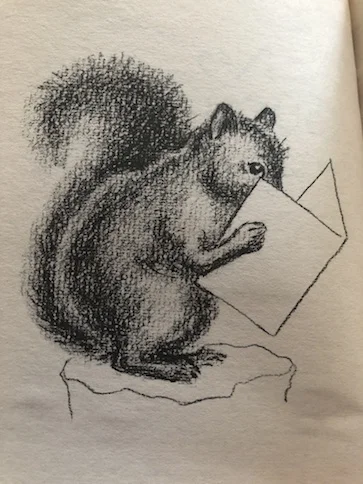
Nora and Tad’s curiosity begins when a squirrel appears to be reading a newspaper. The object turns out to be a business card belonging to Maggie Brown, the new neighbor. Maggie earns her living caring for cats and other animals, and she seems to have a particular knack for getting along with them. Their dog responds to her, while Tad, who generally dislikes cats, finds himself warming to Henry, Maggie’s cat.
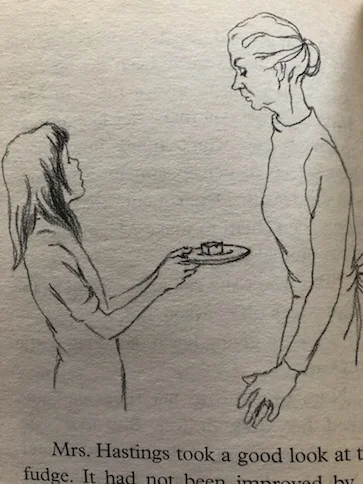
Nora suspects there’s something more than good animal care behind Maggie’s abilities. The explanation is her fudge, made from an old family recipe. A piece helps someone feel affection for animals. Two pieces let a person speak with them and understand their replies. The sweets offer a playful way into the book’s central idea: spending time with an animal can change how a person sees it.
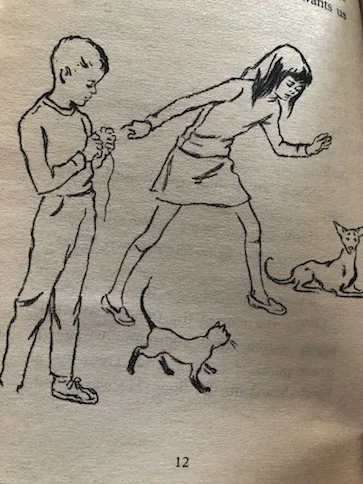
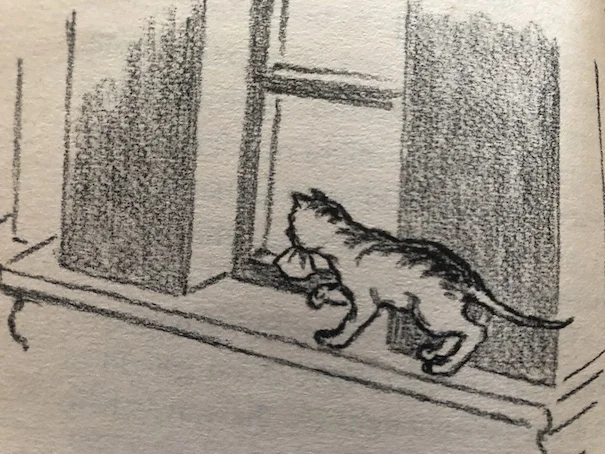
Tad’s enthusiasm for the fudge soon gets ahead of him. Three pieces make someone behave like an animal; four change them into the animal they have in mind. Tad ends up a cat, leaving Nora to help him conceal his transformation until it wears off. The effects are temporary, however many pieces someone eats, so the magic brings comic trouble without lasting harm.
Trust grows through experience
The children enjoy Maggie’s company, but Nora doesn’t immediately know what to make of her. The fudge can lead to mishaps, and one scene makes Maggie’s care for her animals look questionable: Nora sees her plucking feathers from a bird. A visit to the zoo clears up the misunderstanding. The bird has a feather problem, and Maggie is removing the damaged feathers so healthy ones can grow in their place.
That moment gives Nora a reason to reconsider her first impression. Maggie’s oddities don’t make her careless; the children simply don’t yet understand what they’re seeing. Chew lets Nora’s trust build through observation, rather than asking her to accept Maggie’s magic on faith. The same patient attention shapes the children’s changing relationships with the animals around them.
Maggie’s neighbors are less ready to give her the benefit of the doubt. A shopkeeper resents her after she challenges him for trying to abandon a cat. Her landlady, who doesn’t care for animals, objects to the pets in Maggie’s apartment and plans to have the rooms inspected over sanitation concerns. Nora and Tad decide to use the fudge to help the landlady become more fond of animals.
The conflict keeps the story grounded in familiar social friction: people disagree about how animals should be treated, and a neighbor’s unusual habits can prompt suspicion. The magical recipe gives the children a mischievous way to intervene. It also raises a question the book handles with a light touch: can a temporary change in feeling last once the spell has passed?
Magic that changes what the children notice
In the reviewer’s reading, the fudge matters beyond its comic transformations. Tad continues to like Henry after the magic fades, and Nora grows more comfortable with Maggie’s lizard as she gets to know it. The temporary enchantment gives them a closer look at animals’ personalities; familiarity carries on after the extraordinary effects end. That makes the story’s emotional turn modest but satisfying: curiosity, patience and direct contact can soften an old dislike.
Maggie never openly confirms that she’s a witch. She does, however, realize that Nora and Tad know the fudge is magical, and she trusts them with the secret. The adults who try it don’t work out what’s happening. The children’s shared knowledge gives their friendship with Maggie a private, conspiratorial warmth, while the adults’ inability to see the magic adds gentle humor.
The reviewer also points to a small detail about manners: Nora and Tad call Maggie by her first name, while their mother urges them to use “Mrs. Brown.” That difference reflects changing expectations about how children address adults. The reviewer recalls being taught formal address as a child, then seeing first names become more common among teachers, friends’ parents and work acquaintances. They prefer first names themselves, in part because that feels relaxed and suits their long surname.
For readers who enjoy animal characters, domestic magic and children who get to solve a neighborhood problem, Chew’s story offers an inviting mix. Its transformation rules are easy to follow, and the consequences stay playful. Readers can borrow and read the book online through Internet Archive, where multiple copies are listed. The lasting pleasure is in watching Nora and Tad learn that knowing an animal a little better can be its own kind of magic.