Death In The Dales 2026 Brings Crime Fiction Writers Together in Sedbergh
| Shelf | Authors & Interviews |
|---|---|
| Date in | |
| Readers | 443 |
The three-day Sedbergh festival paired crime fiction panels with a friendly atmosphere, a murder mystery play and conversations with authors.
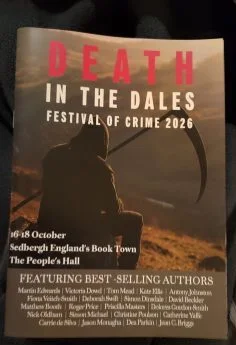
The third Death In The Dales festival made a strong case for the pleasures of a small book event: crime fiction takes centre stage, but the authors remain close at hand. Held over three days in Sedbergh, England’s Book Town, the festival brought together writers and readers for panels, talks and a little theatrical sleuthing. For one returning visitor, the warm, unhurried company was as much a draw as the programme.
A festival built around conversation
Organised by Jean C Briggs, author of a series of Charles Dickens mysteries, Death In The Dales has the intimate scale that encourages people to keep talking after a session ends. The visitor compares it favourably with Bodies From The Library, describing both as favourite events. Here, the panels are part of the experience, but so are the informal conversations that happen around them.
Many authors stayed throughout the weekend instead of leaving as soon as their panel was over. That gave attendees room to catch up with familiar names and meet writers they had previously encountered only briefly or online. Kate Ellis, Martin Edwards, Antony Johnston and Dolores Gordon-Smith were among the returning acquaintances. The visitor also spoke with Matthew Booth, Marsali Taylor, Tom Mead and Victoria Dowd, and met Fiona Veitch Smith and Priscilla Masters for the first time. Masters even sent the visitor home with a book.
That easy access to writers gives a small festival a different rhythm. A panel can spark a discussion that continues afterwards, and an introduction may turn into a longer exchange. For readers who enjoy hearing how authors approach their work, the chance to speak with them between sessions can be a real part of the appeal.
From noir to a room full of suspects
The weekend opened on Friday night with Noir At The Bar. Matthew Booth introduced Detour from 1945, a film about Al, whose poor decisions shape a journey across the United States from New York to Los Angeles as he sets out to meet his fiancée. The visitor enjoyed the film and found that Booth’s observations about its unusual details added to the viewing.
Saturday’s programme moved between themed discussions, individual presentations and more playful sessions. The visitor chose not to give a panel-by-panel account, having attended without a notebook, but the festival’s range is evident in the subjects pictured below: puzzle-making, the history of crime fiction, haunted places and thriller writing all found a place on the schedule.
One standout was Murder At Monksdale Manor, a murder mystery play by Martin Edwards. The visitor joined Dolores Gordon-Smith, Tom Mead and Robin the dog to solve the case; credit for noticing the crucial detail went to Mead. Edwards dedicated a copy of his latest book, Miss Winter In The Library With A Knife, to the visitor’s school, which is now set to receive it.
Gordon-Smith also gave a talk on the unsolved Gorse Hall Murder, a local case that held the visitor’s attention. The account left them with a strong impression about who the killer might have been, though the mystery remains unsolved. That mix of historical inquiry and audience participation captures the programme’s range: crime fiction’s puzzles can be examined, performed and debated, as well as read.
Scenes from the weekend
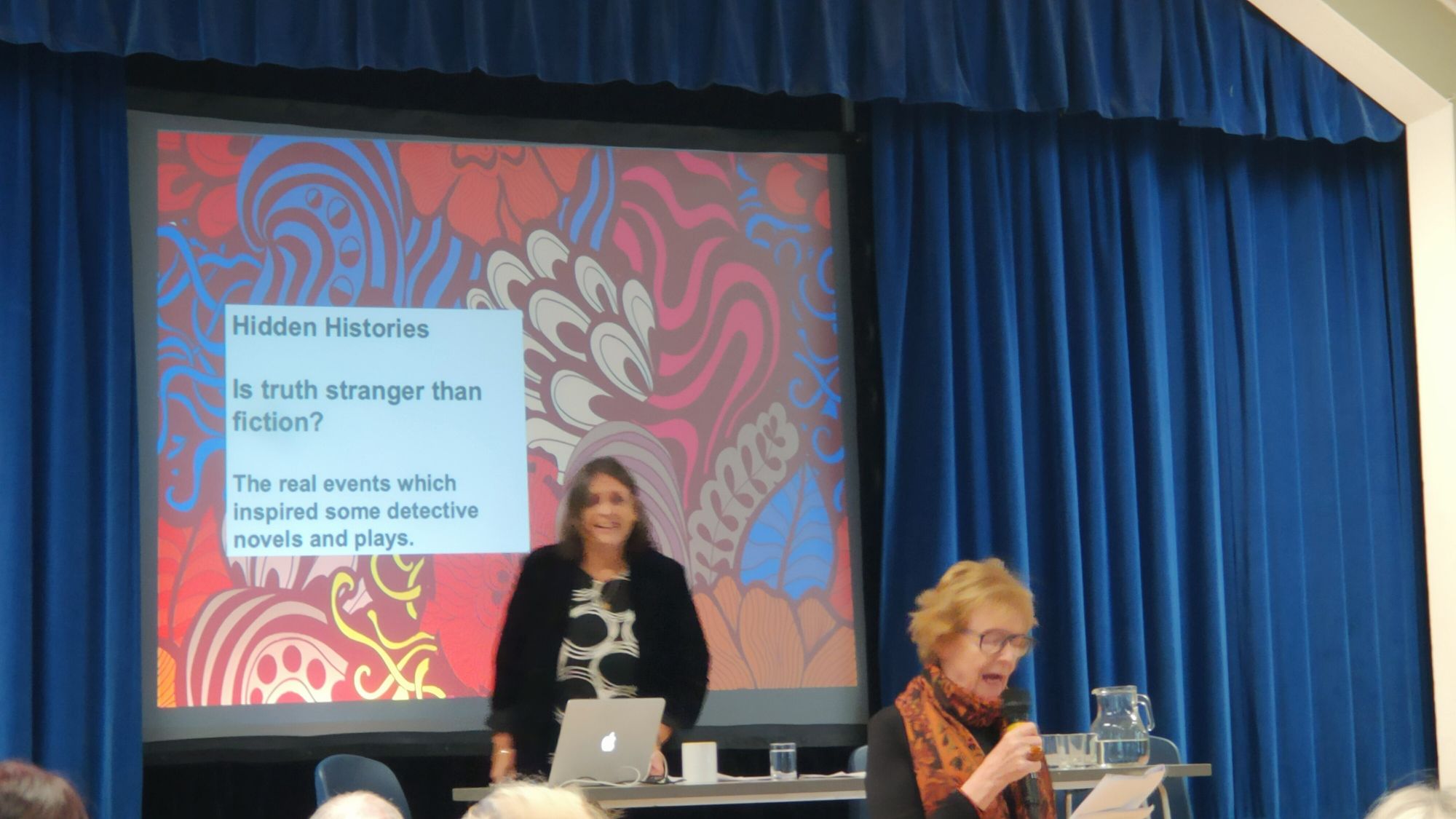
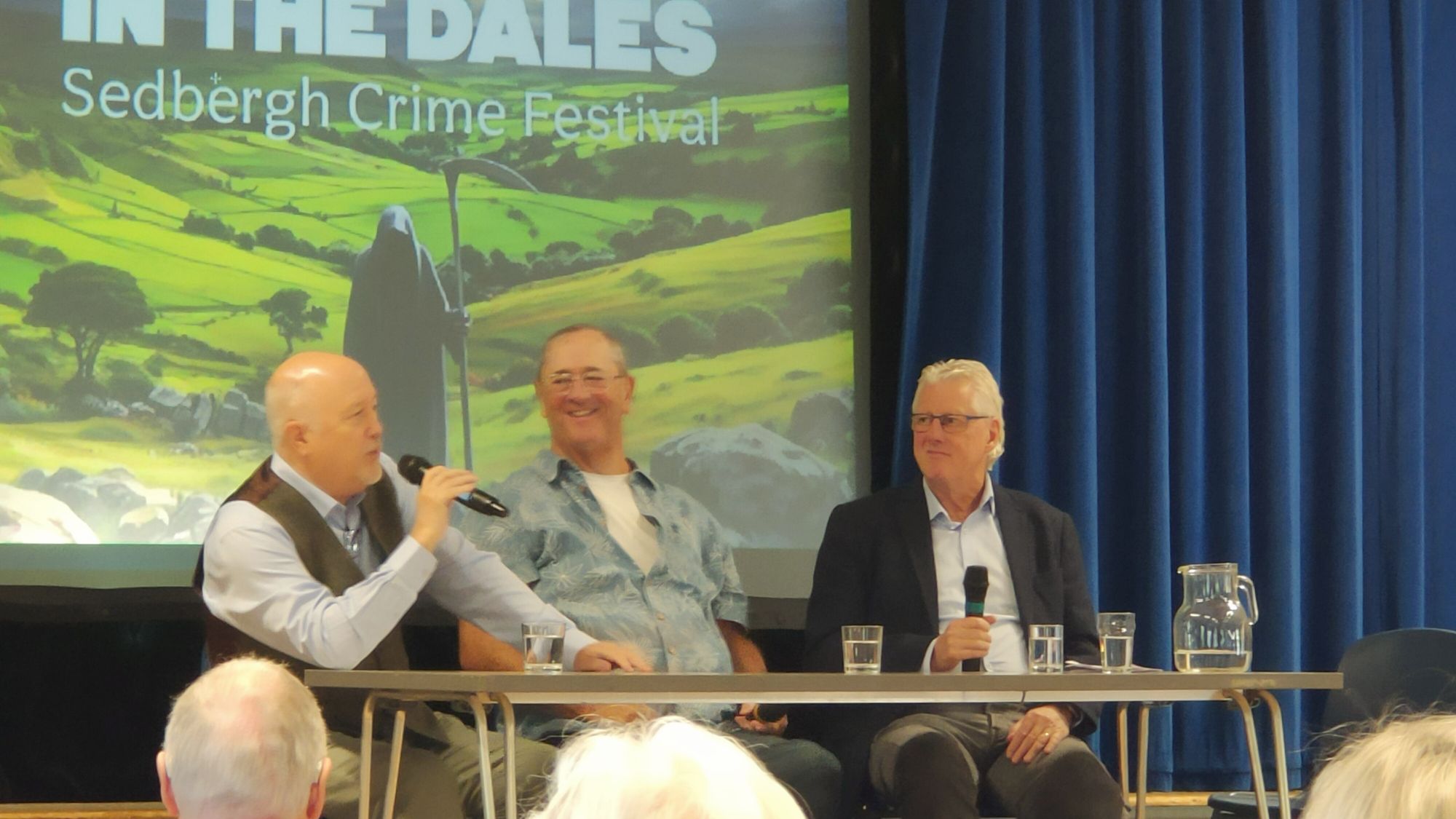
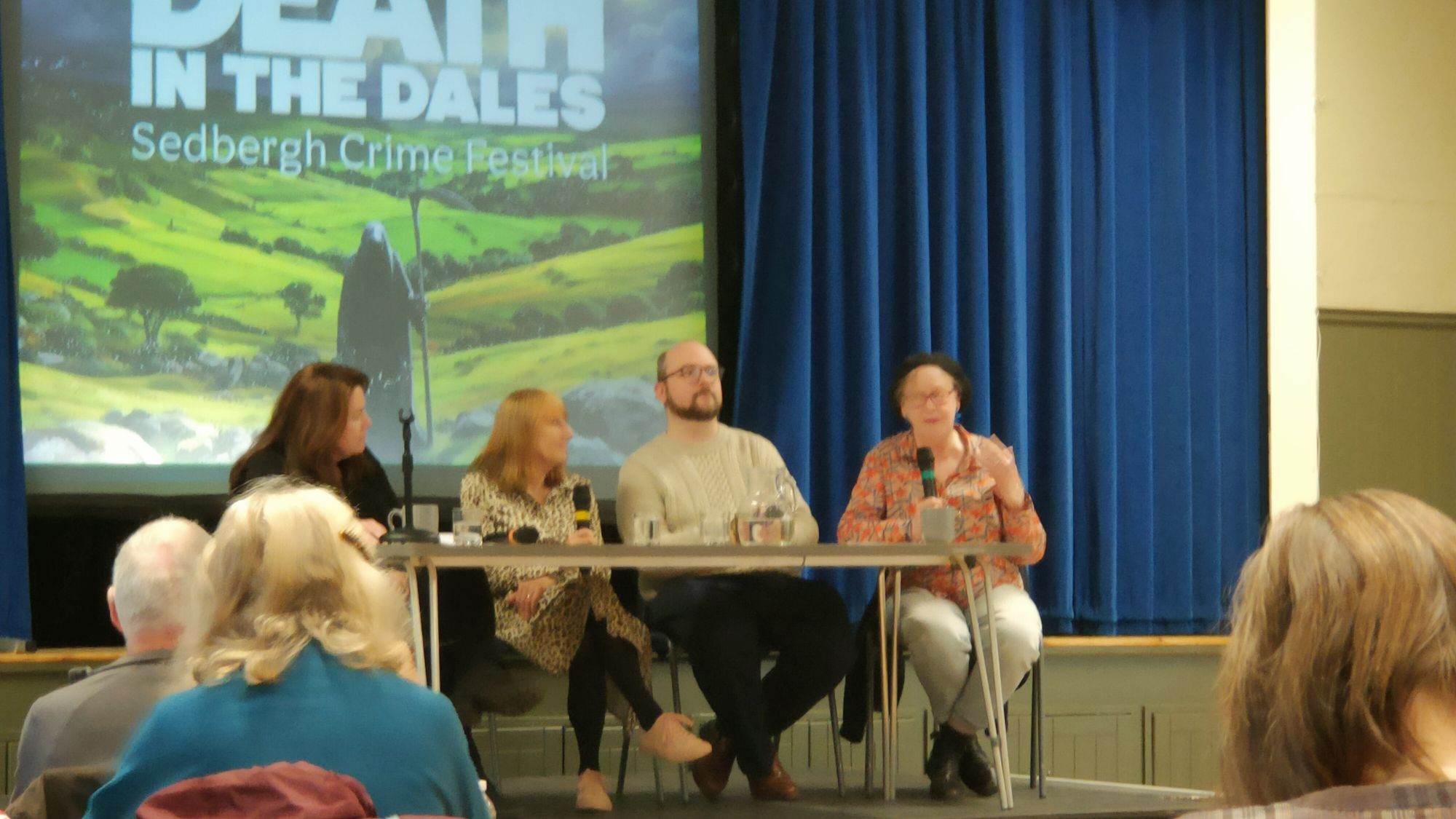
The photographs offer a quick guide to the festival’s varied sessions. They show Martin Edwards and Antony Johnston discussing puzzle-making; Carrie de Silva exploring the truth behind elements of classic crime fiction; and Simon Dinsdale, Nick Oldham and Roger Price, writers who formerly worked as police officers, on a panel titled “The Long Arm Of The Law.” Other images feature Gordon-Smith on the Gorse Hall Mystery and a discussion of haunted places with Victoria Dowd, Kate Ellis, Tom Mead and Christine Poulson.
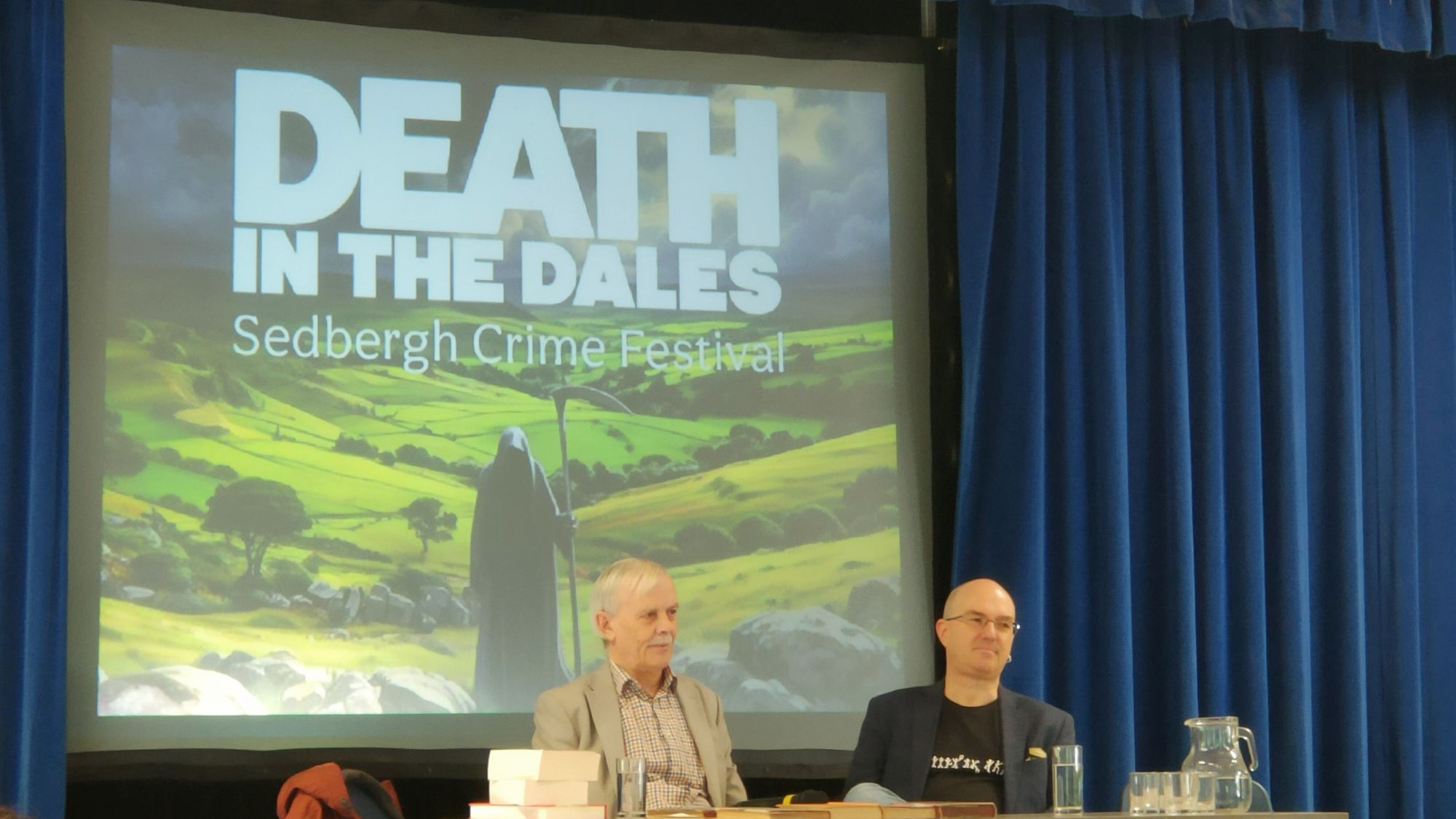
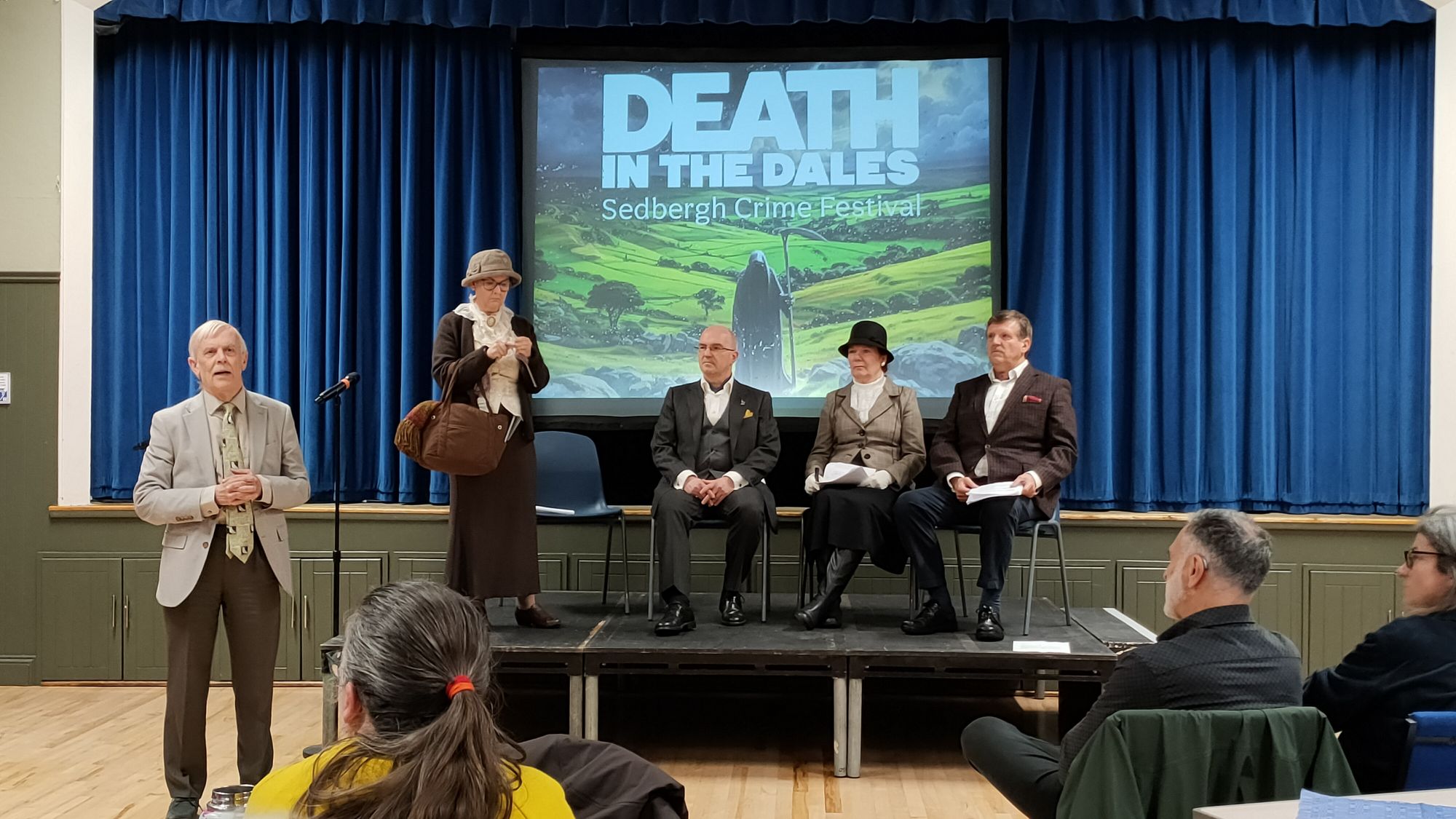
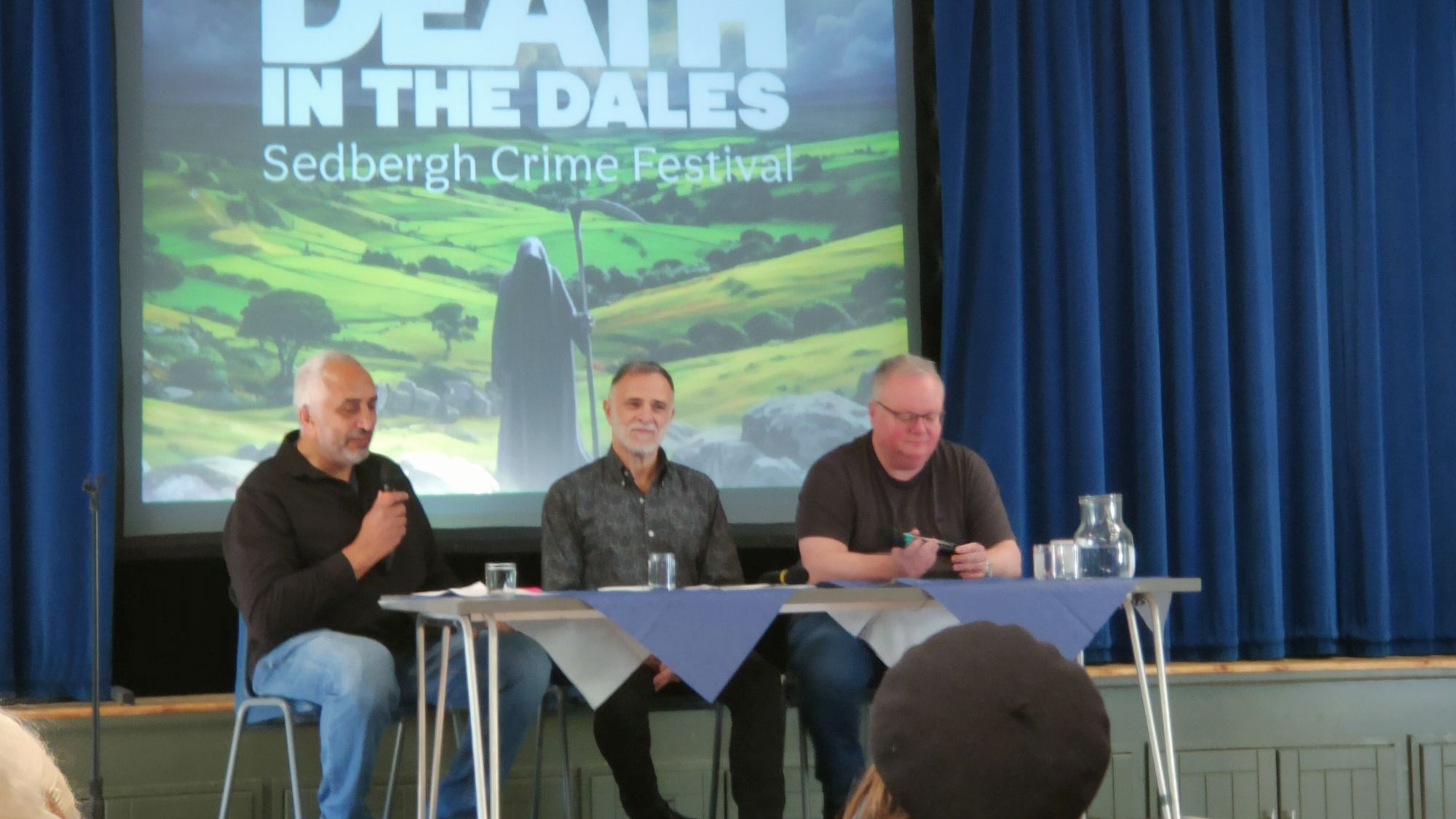
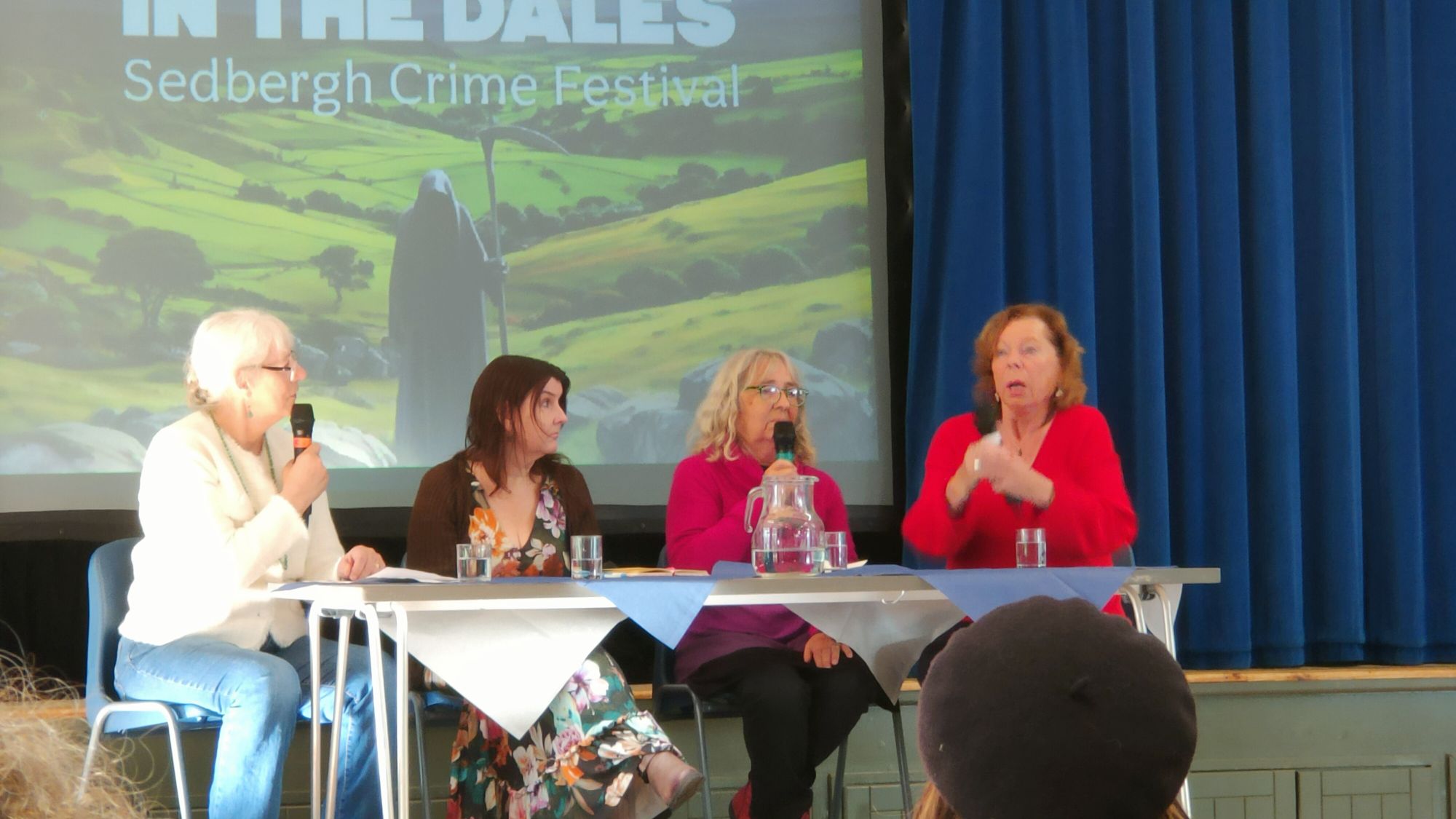
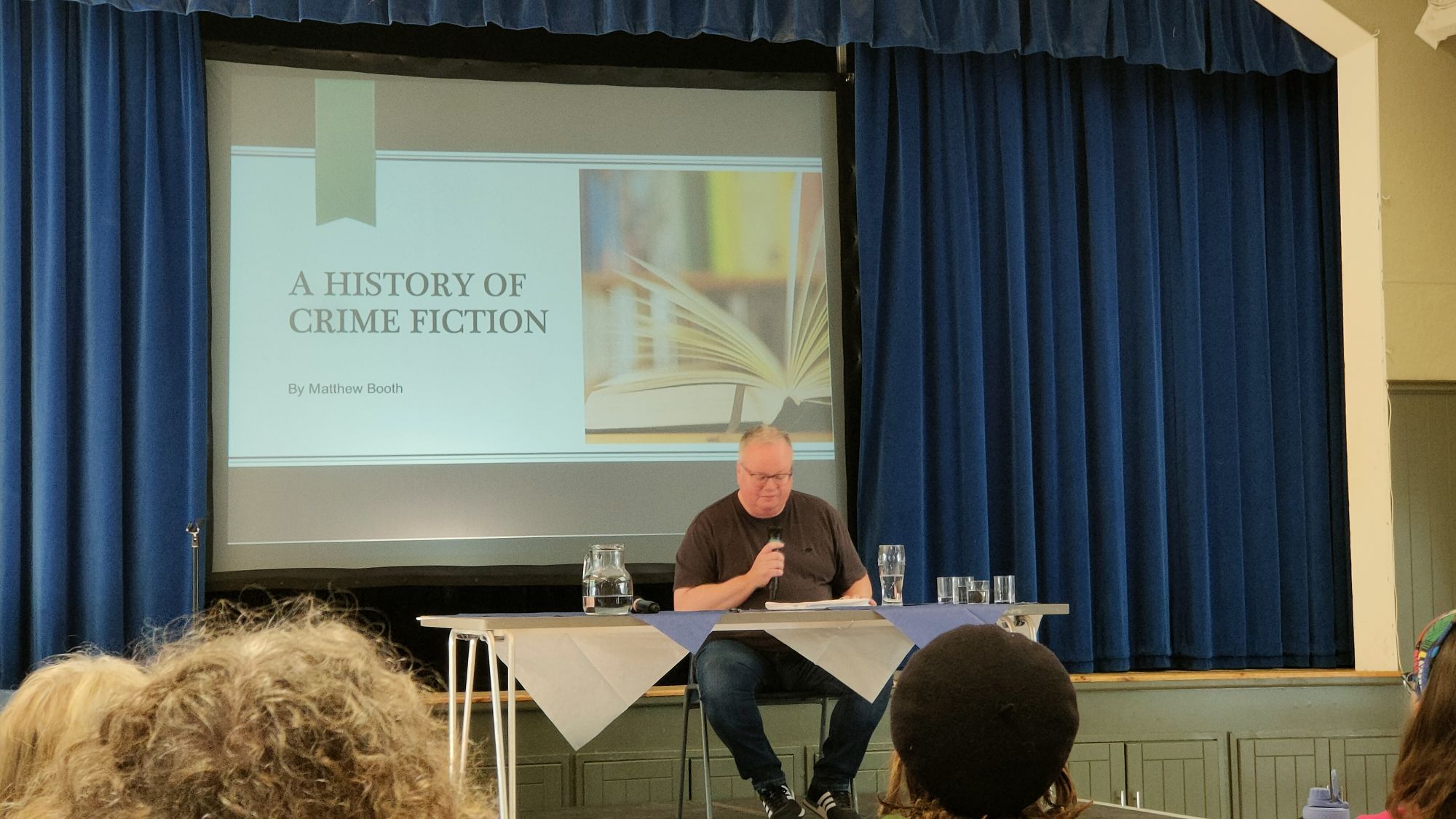
The weekend’s appeal comes through in these snapshots: a mix of focused discussion, performance and sociable exchanges, with space for both established friendships and new introductions. Sedbergh may take some effort to reach, the visitor says, but they consider the trip worthwhile and plan to return next year. For readers drawn to classic and contemporary crime writing, Death In The Dales looks like a festival where the conversation can continue well beyond the panel room.